Modern agriculture faces a dual challenge: maximizing crop yields to support a growing global population while adhering to stringent environmental and safety standards. At the core of high-performing agrochemicals ranging from insecticides and fungicides to selective herbicides lies a precise chemical architecture. While active ingredients (AIs) often receive the spotlight, the effectiveness, shelf life, and bioavailability of these compounds depend heavily on foundational industrial raw materials and chemical intermediates.
In this article, we examine how essential basic chemicals drive crop protection synthesis, facilitate efficient formulation processes, and ensure stable, high-potency agricultural solutions.
The Chemistry behind Agrochemical Formulations
Crop protection chemicals are rarely applied in their pure technical grade form. Technical active ingredients must be formulated into specific delivery systems, such as:
· Emulsifiable Concentrates (EC)
· Suspension Concentrates (SC)
· Water Dispersible Granules (WDG)
· Soluble Liquids (SL)
To transition active compounds from raw synthesis into field-ready products, formulators rely on high-purity inorganic and organic raw materials that act as reaction reagents, pH buffers, neutralizing agents, and synthesis precursors.
Key Industrial Chemicals in Pesticide Synthesis and Processing
A. Caustic Soda
Sodium Hydroxide (Caustic Soda) is one of the most versatile and critical alkali agents used across the agrochemical manufacturing chain:
Saponification and Hydrolysis: Used in the cleavage of esters during the multi-step synthesis of active ingredients.
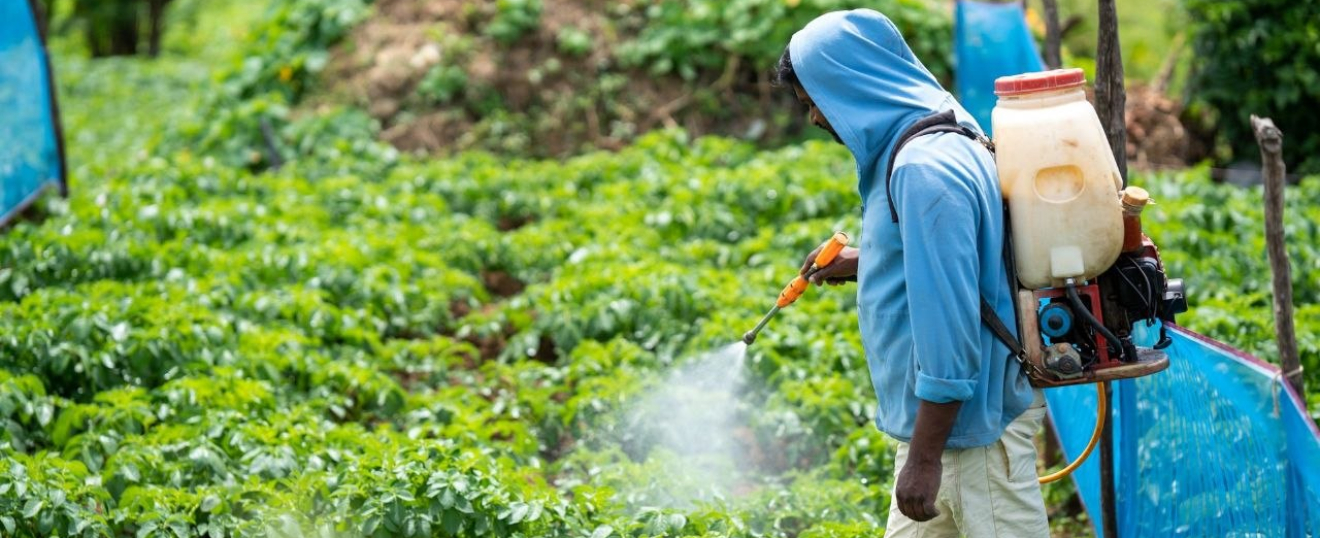
Salt Formation for Water Solubility: Many acidic active ingredients (such as phenoxy herbicides like 2,4-D or glyphosate precursors) require conversion into sodium salts to achieve optimal water solubility for spray applications.
pH Adjustment and Emulsion Stability: Maintaining an exact alkaline or buffered pH prevents premature hydrolysis of active molecules in liquid formulations.
Scrubbing and Effluent Neutralization: During the production of halogenated pesticide compounds, caustic soda solutions serve as neutralizing scrubbers for acidic off-gases.
B. Inorganic Sulfides (Sodium Sulfide)
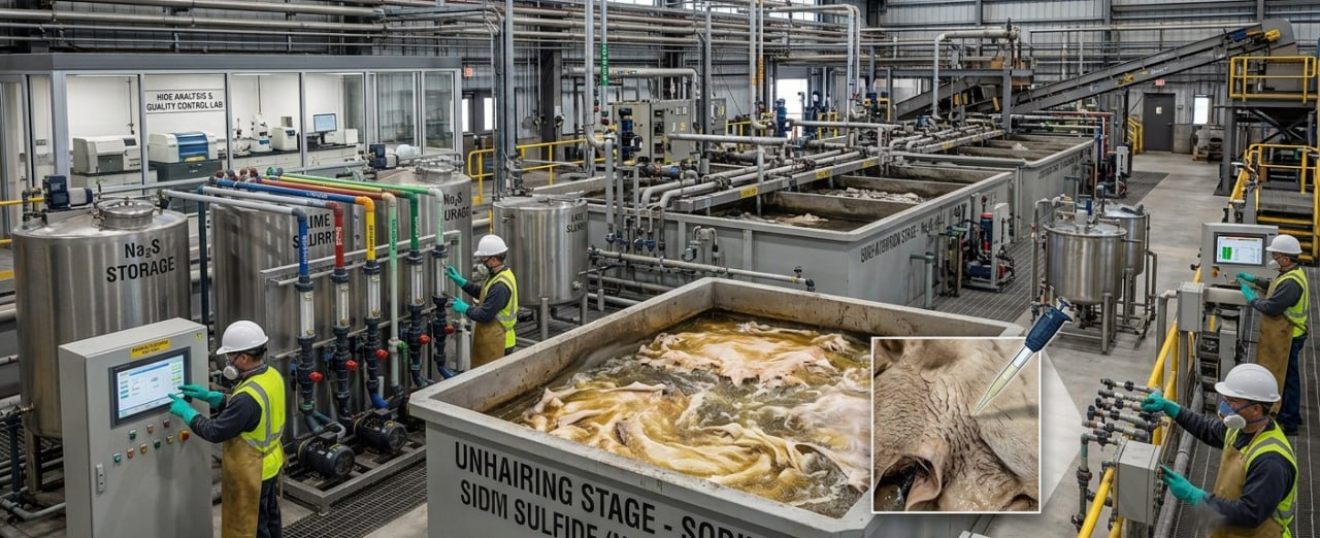
Sodium Sulfide and its derivatives play specialized roles in both agrochemical synthesis and environmental management:
Sulfur Precursor for Organophosphate and Dithiocarbamate Synthesis: Acts as an active sulfur donor in synthesizing critical sulfur-bearing functional groups found in fungicides and insecticides.
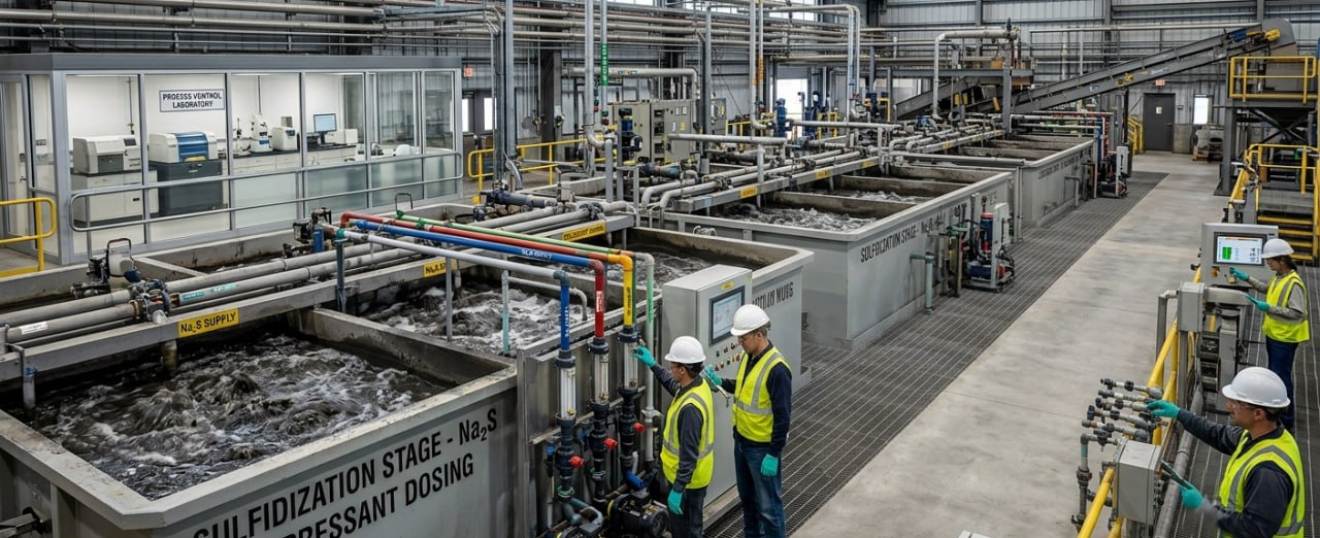
Heavy Metal Precipitation in Formulator Wastewater: Agrochemical synthesis frequently generates heavy metal wastewater streams (catalyst recovery). Sodium sulfide provides efficient precipitation of heavy metal contaminants before biological effluent treatment.
C. Acid Regulators and Neutralizers
Precision neutralization ensures active ingredients do not degrade during storage. Weak acids and strong mineral bases are combined to establish robust buffer systems that protect active compounds against hard water variations during field mixing.
Quality Parameters: Why Purity Dictates Field Efficacy
In pesticide formulation, raw material impurity profiles directly influence product quality and regulatory compliance:
Iron Content: Trace iron contamination in raw materials can act as a catalyst for the thermal degradation of sensitive active ingredients during storage.
Insolubles and Carbonates: High carbonate or insoluble matter in alkaline raw materials can clog nozzle tips during agricultural field spraying and disrupt emulsion stability.
Moisture Consistency: For dry granule formulations, precise moisture control in solid raw materials prevents premature lumping and loss of flowability.
High-grade chemical sourcing guarantees that formulations achieve the targeted suspension percentage, dispersion rate, and shelf life mandated by international standards.
Integrating Sustainable Effluent & Safety Solutions in Agrochemical Plants
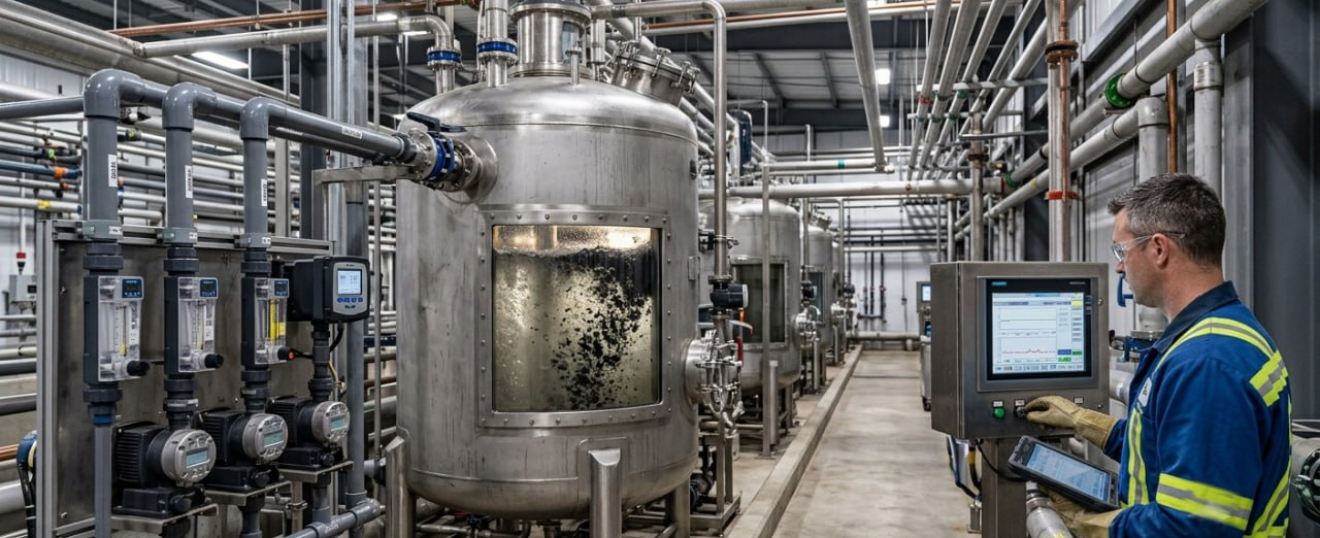
Responsible manufacturing in crop protection involves strict environmental control. The synthesis of crop protection actives generates process water with elevated chemical oxygen demand (COD) and dissolved salts.
By pairing reliable alkaline agents (Caustic Soda) with heavy-metal precipitating agents (Sodium Sulfide), agrochemical plants achieve compliant discharge levels and ensure responsible environmental stewardship.
Sourcing Agrochemical Raw Materials with PKS Chemical
Procuring consistent, high-purity chemicals for agricultural synthesis requires a supply partner with robust logistics and rigorous quality control.
PKS Chemical supports agrochemical formulators and chemical producers across South Asia, the Middle East, and CIS markets with:
· High-Purity Caustic Soda Flakes & Pearls (98.5% - 99%): Low iron, ultra-low heavy metal profiles optimized for chemical synthesis.
· Industrial Sodium Sulfide: Consistent active sulfur content for intermediate reactions and effluent management.
· Export & Logistics Coordination: Standardized multi-layer packaging, rapid containerized shipments, and full export compliance documentation (COA, SDS, Certificate of Origin).
Strengthen Your Agrochemical Supply Chain
Are you formulating crop protection products or scaling active ingredient production? Explore our certified product portfolio or connect directly with our chemical supply specialists to request technical specifications and custom quotations.
Explore Products: View Caustic Soda Specifications | View Sodium Sulfide Products
Procurement & Export Coordination: Learn About Our Export Capability
Request a Quote: Contact Technical Sales Team