Chemical Raw Materials for Fertilizer Production: From Bulk Supply to Final Blend
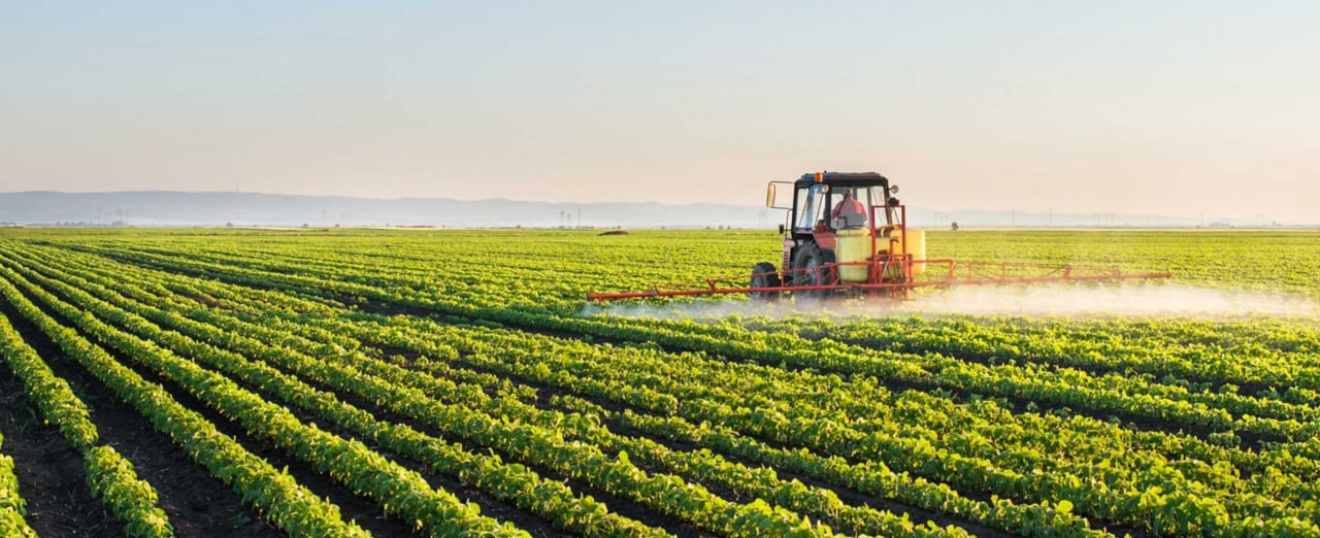
The modern agricultural input sector operates on fine chemical precision. High-efficiency crop nutrition relies not only on standard primary macronutrients Nitrogen (N), Phosphorus (P), and Potassium (K) but on the sophisticated chemical synthesis, acid-base neutralization, granulation, and micronutrient stabilization that turn unrefined mineral feeds into high-yield commercial fertilizers.
For agrochemical formulators and bulk blending facilities, maintaining a reliable supply of high-purity chemical raw materials is critical. Minor variations in chemical assay, insoluble matter, or heavy-metal trace content can compromise reaction kinetics, damage processing reactors, or lead to regulatory non-compliance.
This technical guide examines the essential chemical raw materials driving commercial fertilizer manufacturing, their operational roles in synthesis and processing, and the supply chain requirements essential for industrial-scale blending.
Primary Building Blocks & Intermediate Chemical Processing
Commercial fertilizer manufacturing spans three primary production tiers: basic synthesis (converting atmospheric nitrogen or mined rock), chemical granulation/acidulation, and custom NPK dry bulk blending.
Across these stages, base industrial chemicals perform critical transformation and stabilization roles:
Acid Neutralization and Reaction Control
Phosphate rock processing generates highly acidic intermediate slurries (such as phosphoric acid streams). Regulating pH curves during ammoniation and precipitation requires concentrated, dependable industrial alkalis. Caustic Soda (Sodium Hydroxide - NaOH) is widely utilized in downstream processing to:
· Adjust the pH of acidic effluent and intermediate fertilizer streams.
· Neutralize excess acidity in specialty liquid liquid formulations.
· Synthesize sodium-based micronutrient carriers without introducing unmonitored impurities.
Micronutrient Chelation and Complexation
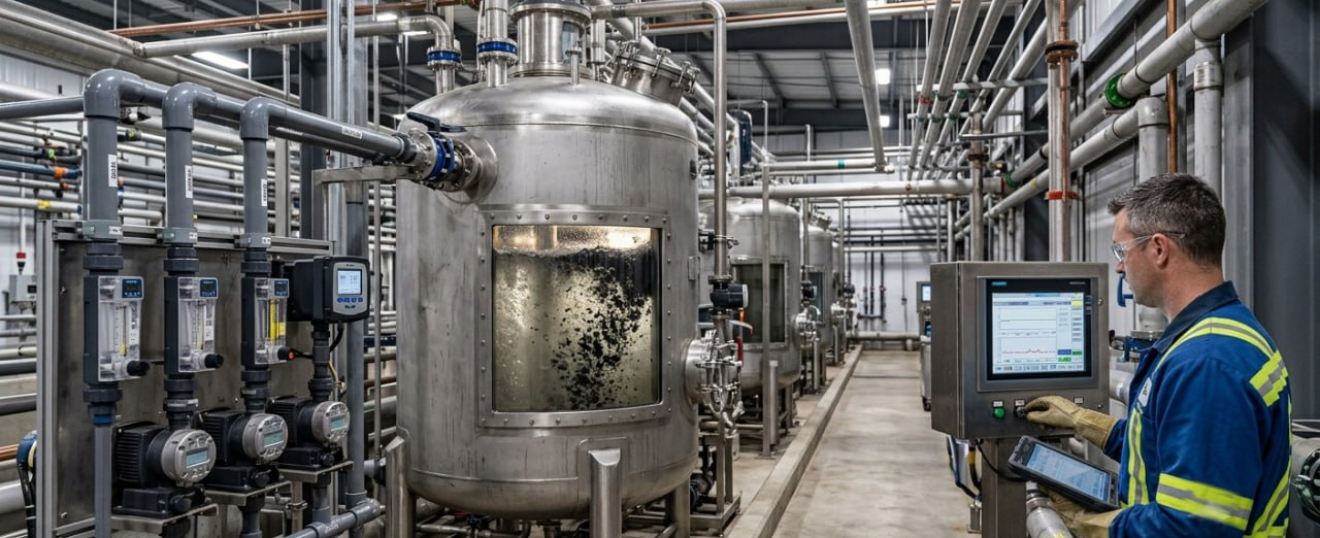
Modern high-value fertilizers incorporate secondary and micro-elements (Sulfur, Zinc, Iron, Manganese, Copper, Boron). Converting basic metallic salts into plant-available ionic forms requires controlled synthesis environments where specialized chemical reagents prevent premature precipitation and fix insoluble heavy-metal fractions.
Technical Grade Selection: Why Chemical Purity Matters
In bulk fertilizer manufacturing, raw material specifications directly dictate finished product shelf-life, physical stability, and biological uptake. Industrial formulators evaluate chemical inputs across four essential criteria:
High Active Assay (Min. Purity): High-grade chemical inputs (such as 98.5%–99% pure flakes or technical-grade intermediates) ensure exact stoichiometric balances in continuous automated blending, avoiding dead-weight transportation costs.
Strict Insoluble Matter Limits (<0.05%): For water-soluble fertilizers (WSF) and high-tech drip fertigation blends, insoluble particulates cause severe emitter clogging and customer claims. Technical-grade raw materials ensure complete, residue-free dissolution.
Heavy Metal & Chloride Tolerances: Stringent global regulations (such as EU fertilizer standards and FAO guidelines) set rigid ceilings on Arsenic (As), Cadmium (Cd), Lead (Pb), and excessive chlorides. Sourcing from audited, certified chemical manufacturers prevents contaminated batches.
Hygroscopicity & Grain Morphology: Bulk dry blends are vulnerable to humidity absorption, which leads to severe caking in storage silos. Sourcing materials with consistent particle size distribution (PSD) and pairing them with anti-caking coatings preserves commercial integrity during long sea voyages.
Industrial Manufacturing Applications: From Synthesis to Specialty Blends
Chemical raw materials integrate into multiple downstream fertilizer categories:
A. Granular NPK & Base Nitrogen Fertilizers
During the wet granulation of complex NPK grades, industrial chemicals serve as binders, hardeners, and pH-stabilizers. Accurate chemical buffering prevents the thermal degradation of urea and ammonium nitrate during rotary drying.
B. Water-Soluble Fertigation & Foliar Sprays
Foliar applications demand 100% bio-available nutrition with zero leaf-scorch potential. Raw materials destined for foliar lines undergo thorough chelation, buffering with specialty alkaline solutions to maintain an optimum pH window between 5.5 and 6.5.
C. Industrial Soil Conditioners & Sulfur-Enriched Grades
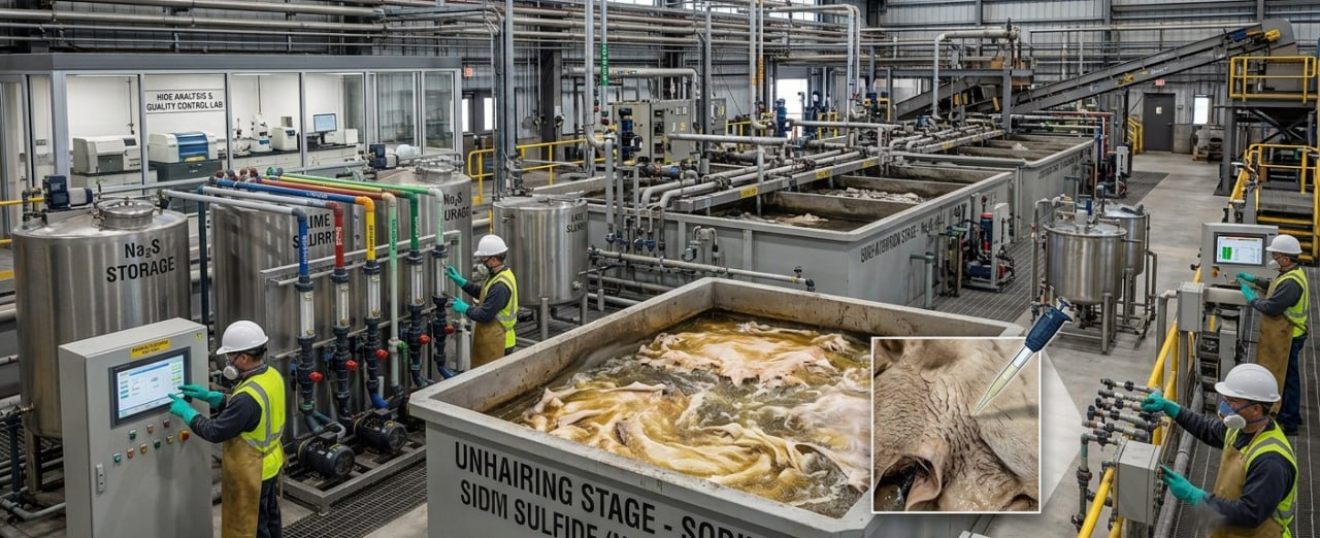
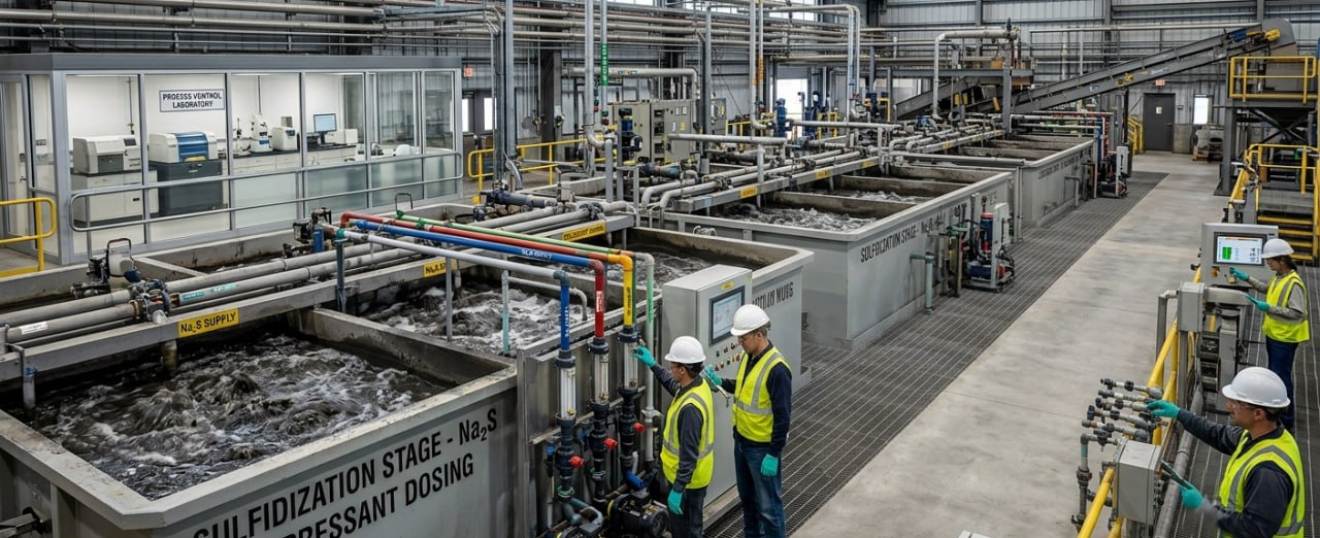
Sulfur is increasingly recognized as the fourth vital macronutrient. Intermediate sulfur derivatives and reducing agents including Sodium Sulfide in specialized chemical synthesis support various industrial conversions required for sulfur-functionalized soil conditioning agents and mineral recovery.
Supply Chain Excellence: Packaging, Stowage & Bulk Logistics
Supplying raw materials to fertilizer plants requires stringent logistical control. Because bulk chemicals are sensitive to ambient moisture, heat, and transit shocks, industrial packaging must guarantee zero contamination:
· Multi-Barrier Industrial Sacks: Moisture-proof 25kg PP woven bags with high-micron PE inner liners or 1,000kg–1,200kg heavy-duty FIBC jumbo bags equipped with moisture barriers.
· Engineered Container Stuffing: Compliance with IMO/ILO/UNECE CTU codes, using dynamic dunnage airbags and heavy-duty timber shoring to eliminate cargo shifting across maritime routes.
· Complete Batch Traceability: Every bulk consignment is backed by a verified Certificate of Analysis (CoA), TDS, and MSDS, confirming consistent active chemical assay and low impurity thresholds prior to port dispatch.
Partner with PKS for Reliable Industrial Chemical Supply
As a trusted manufacturer and exporter of technical-grade chemicals, PKS Chemicals supplies essential raw materials for fertilizer manufacturing plants, mineral processing complexes, and industrial blenders across Pakistan, Turkey, the CIS, and South Asia.
Consistent high-assay chemicals (including Caustic Soda Flakes 99% and Sodium Sulfide).
Multi-tiered quality control with independent third-party inspection (SGS/Bureau Veritas availability).
Direct containerized maritime export under FOB, CFR, and CIF terms.
Request a Bulk Chemical Quotation for Your Fertilizer Plant or speak directly with our agrochemical technical desk at This email address is being protected from spambots. You need JavaScript enabled to view it..