Water quality has become one of the most decisive factors in modern agriculture. As irrigation systems expand across arid and semi-arid regions, farmers, greenhouse operators, and agro-industrial producers increasingly depend on chemical water treatment solutions to maintain crop health, protect irrigation infrastructure, and improve nutrient efficiency.
Poor-quality irrigation water does more than reduce yield. It can lead to emitter clogging, soil salinity buildup, pH imbalance, microbial contamination, reduced fertilizer uptake, and long-term degradation of agricultural land. For commercial farming operations, these risks directly affect productivity, operating cost, and seasonal reliability.
This article explores the role of industrial chemical solutions in agricultural water treatment, the main water quality challenges in irrigation systems, and the importance of sourcing reliable raw materials for water conditioning, pH adjustment, sanitation, and effluent management.
Why Irrigation Water Quality Matters in Agriculture
Agricultural water is not simply a carrier for moisture. It is also the medium through which nutrients are delivered, soil chemistry is influenced, and plant root systems interact with dissolved salts, suspended solids, and organic contaminants.
When irrigation water contains excessive hardness, suspended particles, biological growth, or unstable pH, multiple operational problems can occur:
· blockage of drip irrigation lines and emitters
· precipitation of fertilizers in fertigation tanks
· poor nutrient solubility and lower crop uptake
· increased scaling in nozzles, pipes, and filters
· microbial fouling in recirculating systems
· salinity stress and root-zone imbalance
For high-efficiency irrigation systems, especially in greenhouse farming, precision agriculture, and fertigation-based cultivation, water treatment is no longer optional. It is a core part of agronomic performance and infrastructure protection.
Main Irrigation Water Quality Challenges
Water used in agriculture often comes from wells, rivers, reservoirs, recycled sources, or mixed supply networks. Each source presents different chemical and physical treatment needs.
1. High Hardness and Mineral Scaling
Calcium and magnesium salts in irrigation water can cause scale deposits inside pipes, filters, and drip emitters. Over time, this reduces flow uniformity and increases maintenance cost.
2. Unstable pH and Poor Nutrient Availability
Water with unsuitable pH affects nutrient solubility, fertilizer compatibility, and plant absorption. In fertigation systems, improper pH can cause micronutrients to precipitate or react with dissolved minerals.
3. Suspended Solids and Turbidity
Clay, silt, rust particles, and organic matter can accumulate in irrigation infrastructure and interfere with filtration performance. In drip systems, even minor suspended solids can reduce system efficiency.
4. Biological Contamination
Algae, bacteria, biofilm, and microbial growth can block irrigation channels and contaminate storage tanks. This is a common challenge in warm climates and open water reservoirs.
5. Salinity and Sodium Hazard
Elevated dissolved salts or sodium levels can damage soil structure, reduce infiltration, and create long-term crop stress, especially in intensive farming regions.
Chemical Solutions Used in Agricultural Water Treatment
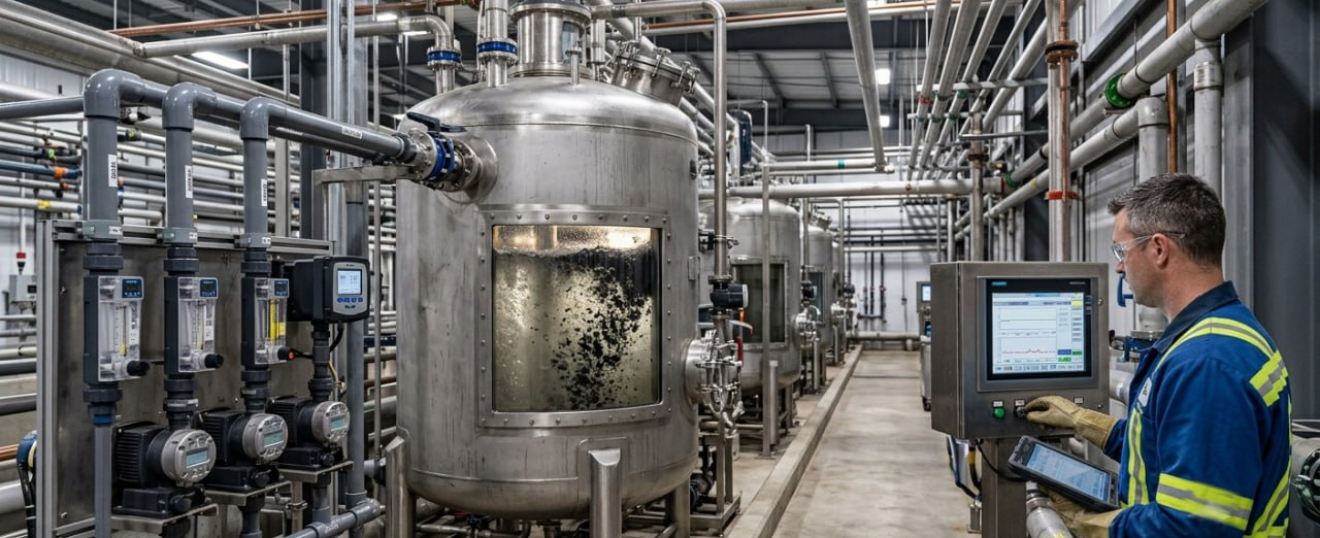
Modern agricultural water treatment depends on a combination of physical filtration and chemical conditioning. The selected chemicals depend on source water quality, irrigation method, crop type, and fertilizer program.
pH Adjustment and Alkalinity Control
Maintaining the right pH is critical for nutrient availability and stable fertigation performance. Chemical pH adjustment helps prevent precipitation, improves fertilizer compatibility, and keeps irrigation systems cleaner.
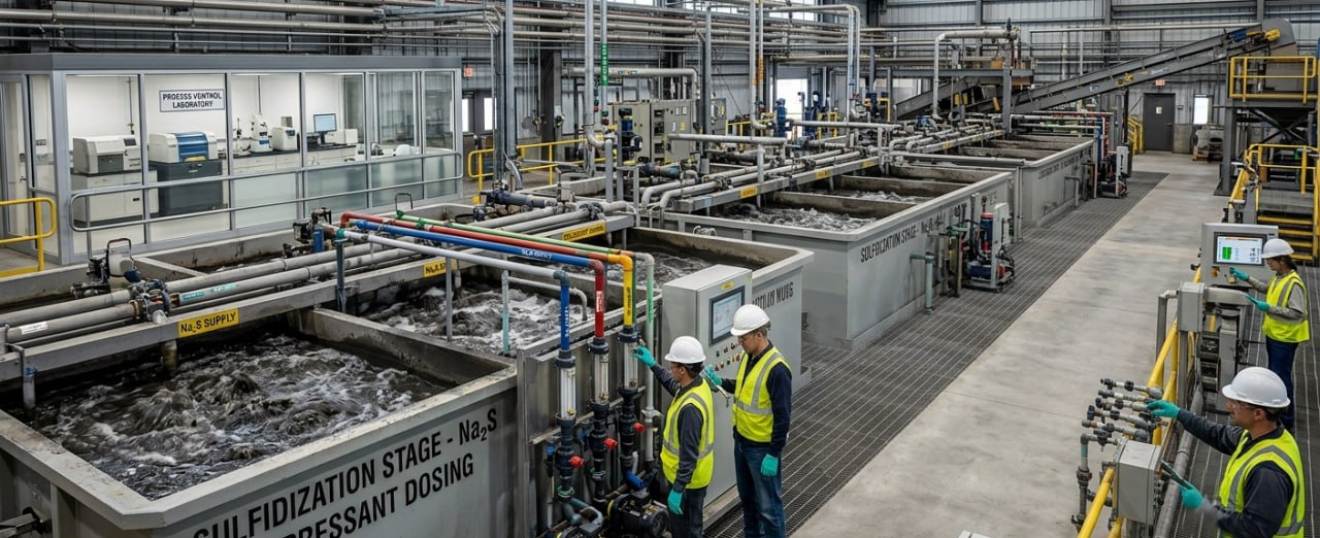
Industrial alkalis and pH-control chemicals are used in treatment processes where neutralization or corrective balancing is required. In integrated treatment systems, Caustic Soda Flakes may be used in controlled industrial applications involving water conditioning, neutralization, and process balancing.
Coagulation and Suspended Solids Reduction
Where irrigation water contains fine suspended solids, chemical treatment can help destabilize and aggregate particles for easier separation. This improves downstream filtration and reduces turbidity-related clogging.
Oxidation and Sanitation Support
Chemical disinfectants and oxidizing agents are often used to control microbial activity, suppress algae growth, and reduce biofilm formation in tanks and irrigation networks.
Effluent Conditioning and Reuse Water Treatment
In agricultural processing zones, recycled or partially treated water may require further adjustment before reuse. This can include pH correction, sulfide treatment, odor reduction, and contaminant stabilization.
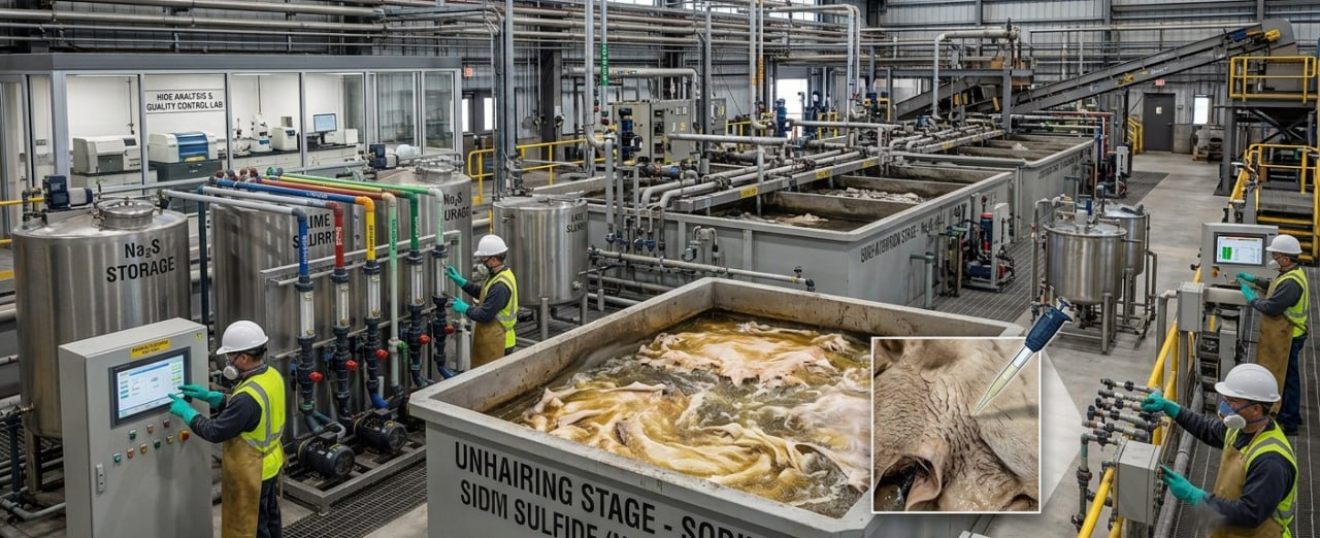
In specific industrial treatment environments, sulfur-based chemicals such as Sodium Sulfide may also play a role in chemical processing, wastewater conditioning, or specialized reduction reactions related to industrial water management.
Water Treatment for Drip Irrigation and Fertigation Systems
Drip irrigation systems are highly efficient, but they are also highly sensitive to poor water quality. Because these systems rely on narrow channels and emitters, even minor chemical imbalance or particle loading can lead to serious distribution problems.
Proper chemical water treatment supports drip irrigation performance by:
· reducing mineral precipitation
· stabilizing nutrient solution chemistry
· preventing microbial slime buildup
· improving fertilizer dissolution
· protecting emitters from scaling and blockage
For commercial growers using soluble fertilizers, greenhouse dosing units, or automated fertigation equipment, water quality treatment must be integrated with the crop nutrition strategy.
The Role of Chemical Raw Material Quality
Not all treatment chemicals offer the same industrial value. In agricultural water treatment, inconsistent chemical purity can create new problems instead of solving existing ones. That is why professional operators prioritize technical-grade raw materials from reliable suppliers.
Important supply criteria include:
· consistent assay and active content
· low insoluble residue
· stable packaging for export and storage
· documented quality control and CoA availability
· suitability for industrial water treatment processes
Whether chemicals are used in blending, dosing, neutralization, or industrial conditioning, purity and handling consistency are essential for safe and effective application.
Packaging, Storage, and Export Requirements
Chemical products used for agricultural water treatment are often transported across long regional supply chains. To preserve product performance, export packaging must protect against humidity, contamination, and handling damage.
Standard industrial export measures include:
· multi-layer 25 kg bags with moisture-resistant inner liners
· jumbo bags for bulk industrial consumption
· palletized loads with shrink wrapping and strapping
· container loading with void control and cargo securing
· documentation such as CoA, MSDS, and TDS for each batch
These requirements are especially important for buyers in Pakistan, Iraq, Turkey, CIS markets, and South Asia, where climatic conditions and port transit times can affect chemical stability.
Choosing the Right Chemical Supplier for Agricultural Water Treatment
For distributors, irrigation contractors, agro-industrial buyers, and water treatment formulators, selecting the right supplier means more than comparing price per ton. A qualified chemical partner should offer:
· stable bulk supply capacity
· technical-grade product consistency
· export packaging options
· complete shipping documentation
· understanding of industrial agricultural applications
· support for containerized international delivery
Reliable sourcing reduces operational risk, supports treatment efficiency, and improves long-term agricultural productivity.
Agricultural water treatment is an essential part of modern irrigation performance. As farms and agro-industrial systems become more dependent on precision fertigation, drip irrigation, and water reuse, the demand for dependable chemical treatment solutions continues to grow.
From pH control and scale prevention to suspended solids management and industrial effluent conditioning, chemical raw materials help maintain irrigation water quality, protect infrastructure, and support crop health across demanding agricultural environments.
At PKS Chemicals, we supply industrial chemical raw materials suitable for water treatment, agricultural processing, and export-oriented B2B supply chains.
Contact us to discuss your bulk chemical requirements for irrigation water treatment, agro-industrial processing, or international export supply.