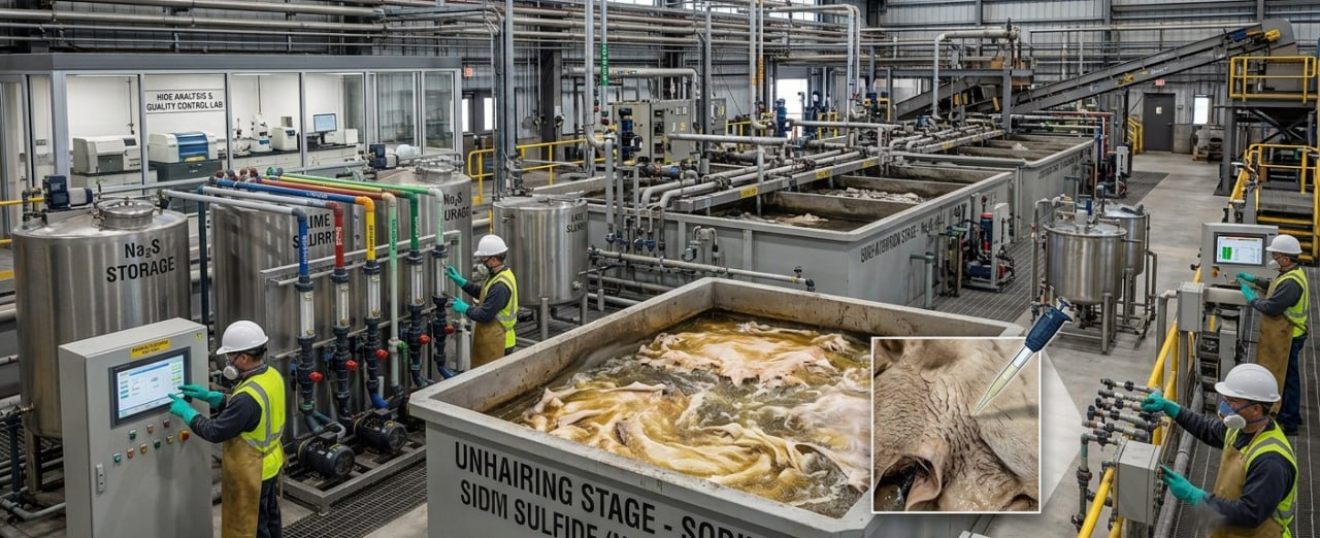
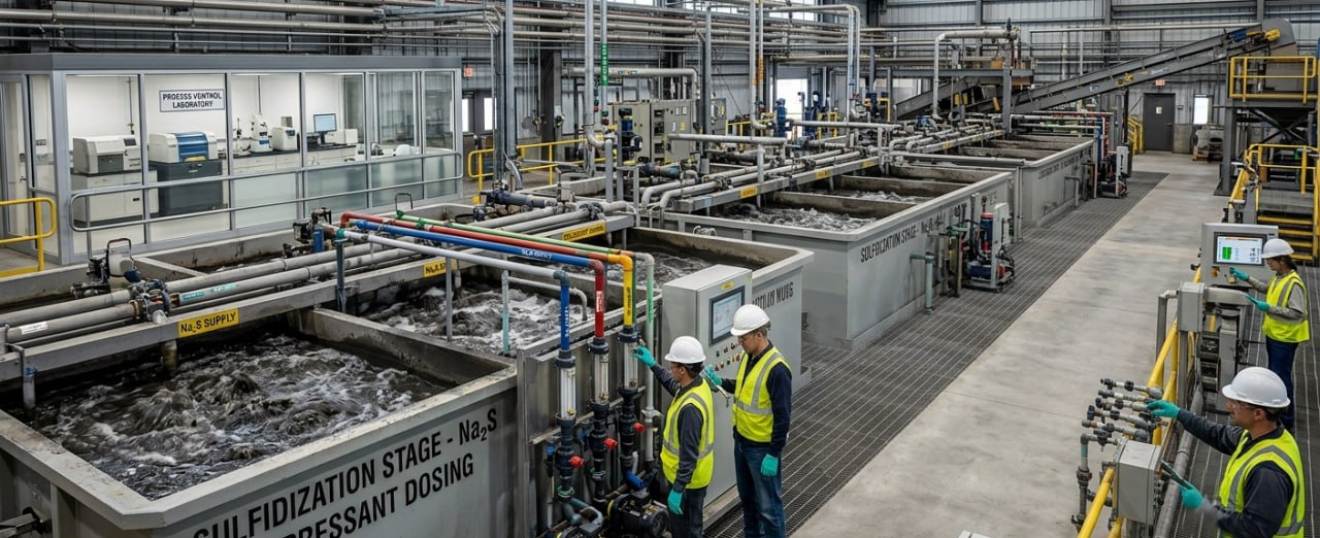
Sodium sulfide (Na₂S) is a fundamental chemical agent in the textile industry, playing a critical role in the application of sulfur dyes to cellulosic fibers like cotton. Because sulfur dyes are inherently insoluble in water, they cannot directly dye textile fibers. They require a chemical reduction process to transform into a water-soluble form that can penetrate the fiber matrix. Sodium sulfide is the industry-standard reducing agent used to achieve this conversion.
This guide provides a technical overview of the reduction mechanism of sulfur dyes using sodium sulfide, practical application guidelines, process control variables, and essential safety and storage recommendations for textile manufacturing facilities.
1. The Role of Sodium Sulfide in Sulfur Dyeing
Sulfur dyes are widely used for coloring cotton, viscose, and other cellulosic fibers, particularly for producing deep, wash-fast shades of black, blue, brown, and olive. However, in their commercial oxidized state, these dyes have no affinity for cellulose.
To make dyeing possible, the sulfur dye must undergo a chemical transformation:
Reduction (Solubilization): The insoluble dye is reacted with sodium sulfide in an alkaline medium. This reduces the disulfide bonds (−S−S−) within the dye molecule into soluble thiol or sulfhydryl groups (−S−Na+). This soluble, reduced form is known as the leuco compound.
Adsorption (Exhaustion): The leuco compound, which now possesses a high affinity for cellulosic fibers, migrates from the dye bath into the fiber structure.
Oxidation (Fixation): Once the dye is inside the fiber, the textile is exposed to an oxidizing agent (such as air, hydrogen peroxide, or sodium bromate). This converts the soluble leuco dye back into its original insoluble polymeric pigment state, trapping it permanently inside the fiber.
2. Key Process Control Parameters
To ensure consistent color yield, shade reproducibility, and to prevent dyeing defects like bronzing or unevenness, textile engineers must carefully control the following parameters:
Sodium Sulfide Dosage
Under-dosing: Insufficient Na2S leads to incomplete reduction of the dye. The insoluble dye particles will precipitate in the bath, causing poor wash-fastness, surface rubbing (low rub-fastness), and dull shades.
Over-dosing: An excess of reducing agent can strip the dye back off the fiber or prevent efficient exhaustion, resulting in weak color yields and unnecessary chemical waste in effluent treatment.
Dye Bath pH and Temperature
pH Control: The reduction reaction must be maintained at a high pH. If the pH drops, the hydrolysis equilibrium shifts, releasing toxic hydrogen sulfide gas and reducing the solubility of the leuco dye.
3. Storage, Handling, and Safety in Textile Mills
Sodium sulfide is a hazardous chemical that requires strict safety protocols:
Avoid Acid Contact: Sodium sulfide reacts violently with acids to release toxic, flammable, and highly dangerous Hydrogen Sulfide (H2S) gas. Acidic neutralizing agents must never come into contact with Na2S storage tanks or dye bath preparation areas.
Storage Conditions: Store in a cool, dry, and well-ventilated warehouse. Keep containers tightly sealed when not in use, as Na2S is hygroscopic and will absorb moisture from the air, leading to product degradation and oxidation.
Personal Protective Equipment (PPE): Workers handling raw sodium sulfide flakes or concentrated solutions must wear chemical-resistant gloves, protective goggles, and aprons to prevent chemical burns on skin and eyes.
4. Sustainable Supply Chain and Industrial Sourcing
For industrial textile manufacturers, consistency in chemical specifications is key to reducing operational downtime and defect rates. PKS Chemicals serves as a strategic supply chain partner, providing high-purity industrial-grade Sodium Sulfide with consistent active content, flexible packaging options, and coordinated regional logistics to ensure uninterrupted supply for textile operations.
To request a Certificate of Analysis (COA) or Technical Datasheet (TDS), please visit our Sodium Sulfide Product Page.
For bulk pricing and export inquiries, contact our technical sales team via the Contact Us page.