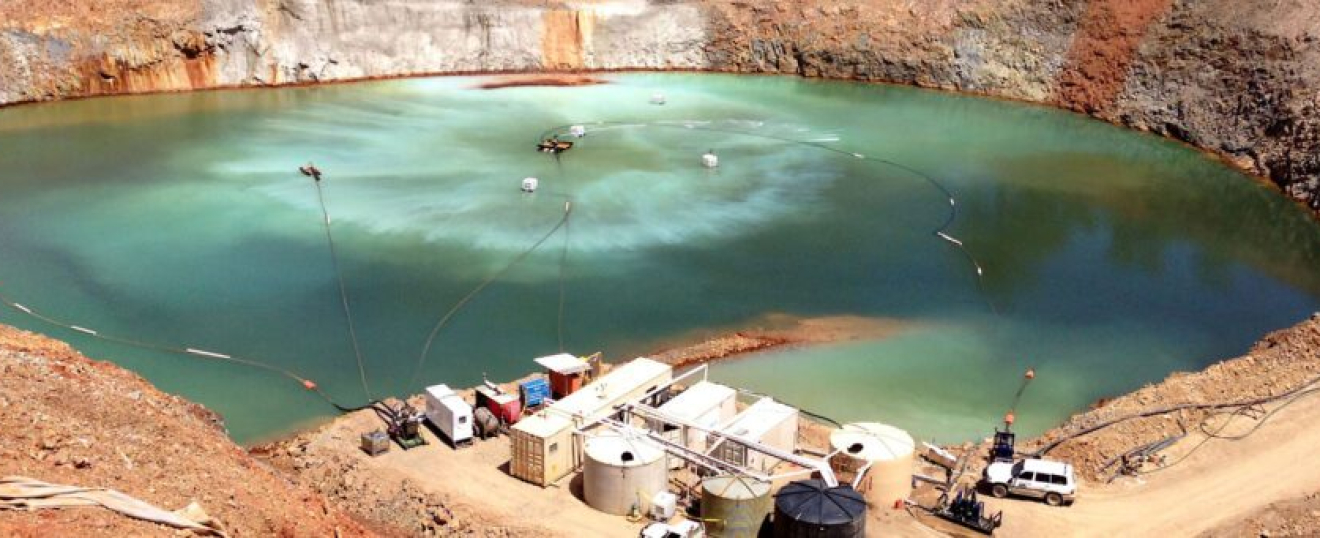
Water is one of mining’s most critical operational resources and one of its highest-risk liabilities. From process water in flotation and grinding circuits to runoff and tailings pond water, the quality of water directly affects production stability, reagent performance, and environmental compliance.
For modern operations, sustainable water management in mining means more than treat and discharge. It means building a reliable, cost-controlled system that enables water reuse, reduces freshwater dependency, minimizes long-term closure risks, and consistently meets discharge limits often under changing ore bodies and seasonal conditions.
This is where chemical solutions for water treatment and heavy metal precipitation become essential: they provide controllable, scalable methods to remove dissolved metals, clarify water, and stabilize water quality across the plant.
1) Why Mining Water Treatment Needs Chemical Control (Not Just Mechanical Separation)
Mechanical separation (settling, filtration, clarifiers) is fundamental but it can’t reliably remove:
· Dissolved heavy metals (e.g., copper, zinc, nickel, lead in ionic form)
· Fine colloids that resist settling
· Complexed metals influenced by pH, sulfide, cyanide, ammonia, or organics (site-dependent)
· Variable loads caused by ore changes, storms, or process upsets
Chemical treatment provides the process knobs operators can adjust: pH, redox conditions, precipitation chemistry, coagulation/flocculation, and sludge conditioning.
2) The Treatment Goals That Define Sustainable Water Management
A sustainable program typically targets a combination of:
· Water reuse in the plant (stable quality for flotation/leaching circuits)
· Regulatory compliance for discharge (metals, TSS, turbidity, sometimes sulfate)
· Reduced sludge volume and improved dewatering
· Lower total cost of ownership (reagent efficiency + fewer shutdowns + less scaling fouling)
· Risk reduction (tailings pond stability, long-term liabilities)
The best chemistry plan is the one that achieves these goals consistently, not just in ideal lab conditions.
3) Core Chemical Methods for Mine Wastewater Treatment
A) pH Adjustment: The First Lever in Metal Removal
Many heavy metals can be removed more effectively when pH is controlled in the correct range. pH control also improves:
· coagulation efficiency
· floc formation and settling
· downstream filtration and dewatering
· stability of recycled process water
Common chemical approach: alkaline reagents for neutralization/alkalinity control, selected based on site conditions (reaction speed, handling, scaling tendency, and cost).
Operational note: sustainable water reuse requires not only hitting a target pH, but also maintaining low variability which impacts flotation selectivity and reagent consumption.
B) Coagulation & Flocculation: Turning Turbidity Into Settleable Solids
When water contains ultrafines and colloids, settling tanks alone can underperform. Chemical clarification typically includes:
· Coagulants to destabilize particles and reduce zeta potential
· Flocculants to form larger, stronger flocs for rapid settling and improved overflow clarity
Why this matters for sustainability: better clarification enables higher recycle ratios, reduces makeup water demand, and improves thickener performance (less overflow turbidity, less tailings water loss).
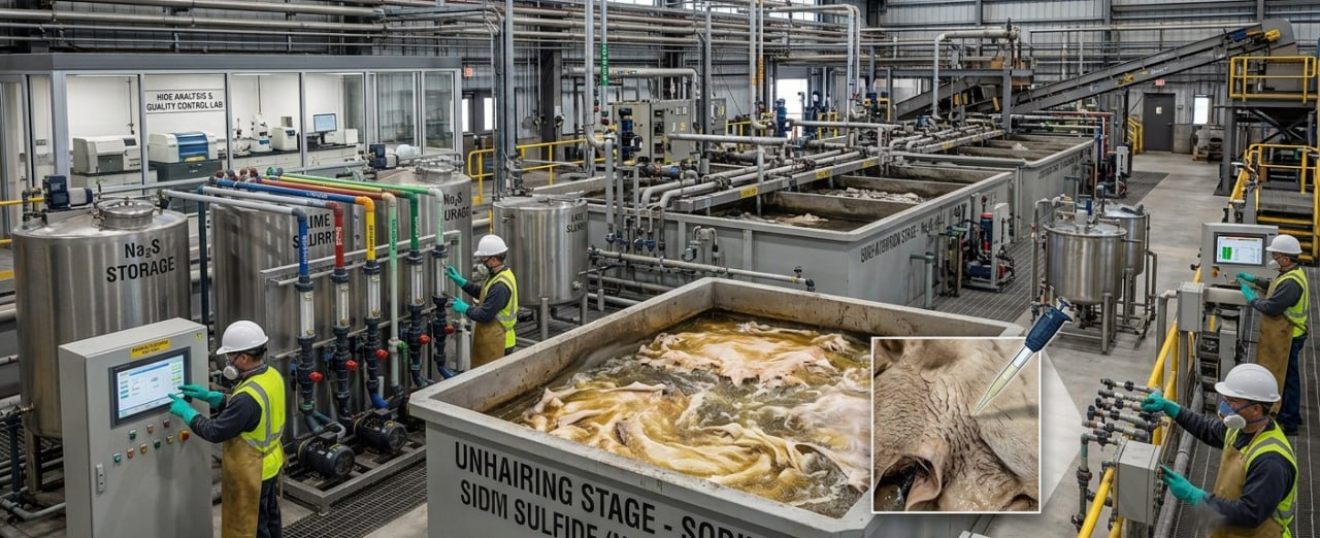
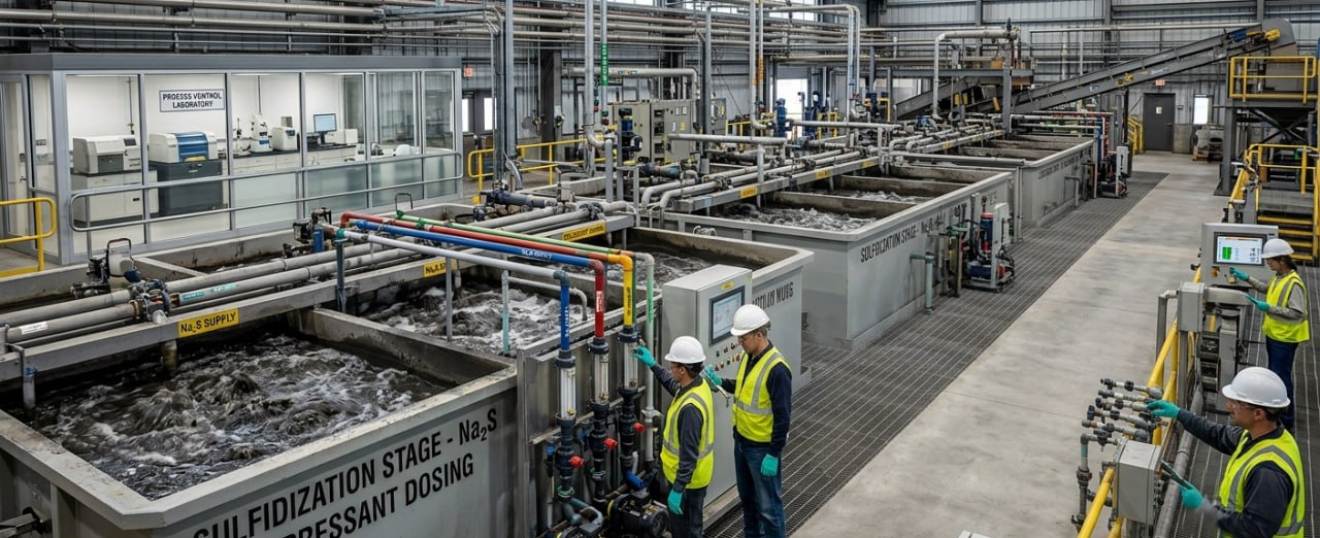
C) Sulfide Precipitation: A Powerful Route for Heavy Metal Removal
For many operations, sulfide precipitation is one of the most effective chemical routes for removing dissolved heavy metals especially when low metal residuals are required.
In simplified terms, sulfide chemistry can convert dissolved metal ions into insoluble metal sulfide solids, which can then be separated via sedimentation/filtration.
Typical advantages:
· High effectiveness for many metals
· Can achieve low dissolved metal levels
· Often robust across varying water matrices (site-specific validation required)
Key control points:
· accurate dosing
· mixing and contact time
· pH control (strongly influences reaction performance and safety)
· oxidation management (to prevent loss of sulfide effectiveness)
Where high-purity chemicals help: consistent purity supports consistent precipitation behavior, more predictable sludge properties, and fewer mystery upsets from reagent impurities.
D) Oxidation/Reduction Steps (When Needed)
Some mine waters contain species that interfere with precipitation or create compliance risk. Depending on the site, oxidation/reduction chemistry can be used to:
· convert certain dissolved forms into precipitable forms
· reduce odor and improve stability
· condition water for downstream clarification
Because this varies widely by ore type and process route, these steps should be designed around actual water analysis and bench testing.
4) Heavy Metal Precipitation: What Good Looks Like Operationally
A high-performing heavy metal precipitation system typically achieves:
· stable discharge quality (not only average compliance)
· fast settling and clear overflow
· manageable sludge volume with good dewatering characteristics
· low scaling/fouling in pipes, pumps, and instruments
· reliable operation during fluctuations (storm events, ramp-ups, ore changes)
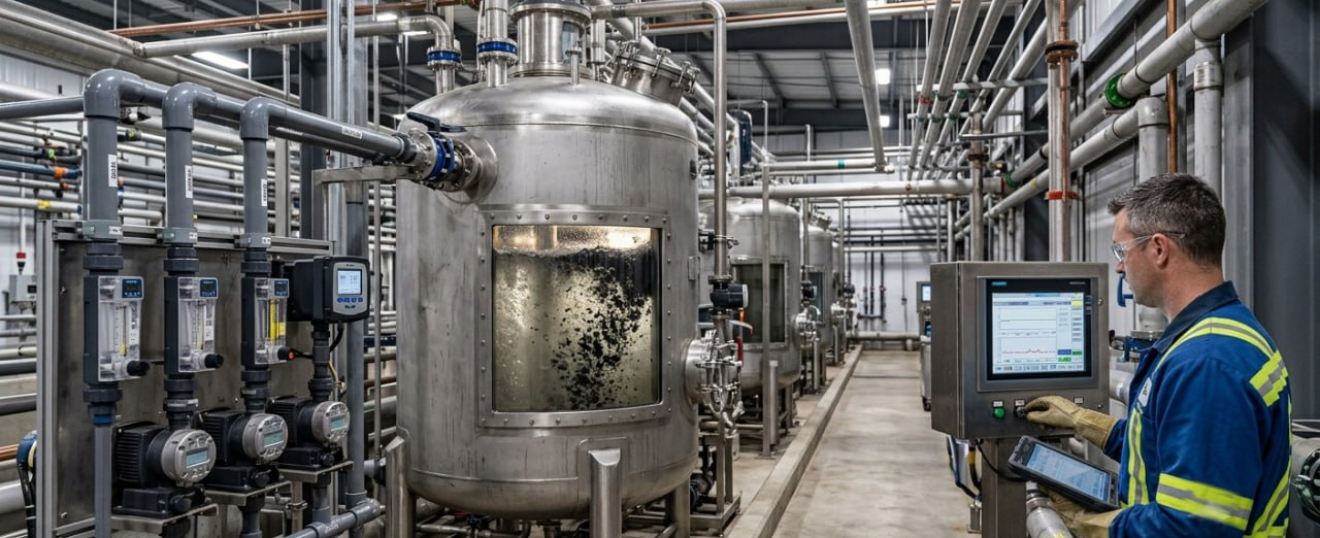
This requires treating water management like a process circuit, not a utility complete with KPIs, sampling points, dosing control logic, and supplier support.
5) Common Challenges (and How Chemical Strategy Addresses Them)
Challenge 1: Variable Influent Water Quality
Solution: staged dosing strategy, pH buffering, consistent-quality reagents, and responsive control.
Challenge 2: Poor Settling / High Settling / High Overflow
Solution: optimized coagulant + flocculant pairing, correct polymer preparation, and improved mixing energy management.
Challenge 3: High Reagent Consumption
Solution: purity-controlled inputs, better dosing control, jar tests/bench tests for optimization, and preventing side reactions.
Challenge 4: Sludge Handling and Dewatering Bottlenecks
Solution: selecting chemistry that forms denser precipitates, conditioning polymers, and aligning precipitation route with dewatering equipment.
6) Why High-Purity Chemicals Matter in Mining Water Treatment
Mining operations don’t just buy chemicals they buy process stability.
High-purity chemicals can help by:
· reducing unwanted side reactions
· improving predictability of precipitation and clarification
· lowering process variability and rework
· improving reuse water quality (supporting flotation/leaching stability)
· reducing long-term risk of scaling/contamination
For procurement and operations teams, purity is not an abstract spec: it’s a lever for total cost reduction and compliance reliability.
7) How PKS Chemical Supports Mining Water Management Programs
At PKS Chemical, we work with mining and mineral processing customers to supply industrial chemicals that support:
· pH adjustment and neutralization programs
· clarification (coagulation/flocculation)
· heavy metal precipitation routes (including sulfide-based approaches)
· export coordination and consistent batch supply for international projects
If you share your water parameters and process goals (reuse vs discharge, target metals, flow rate), we can support product selection, documentation, and quotation for your supply requirements.