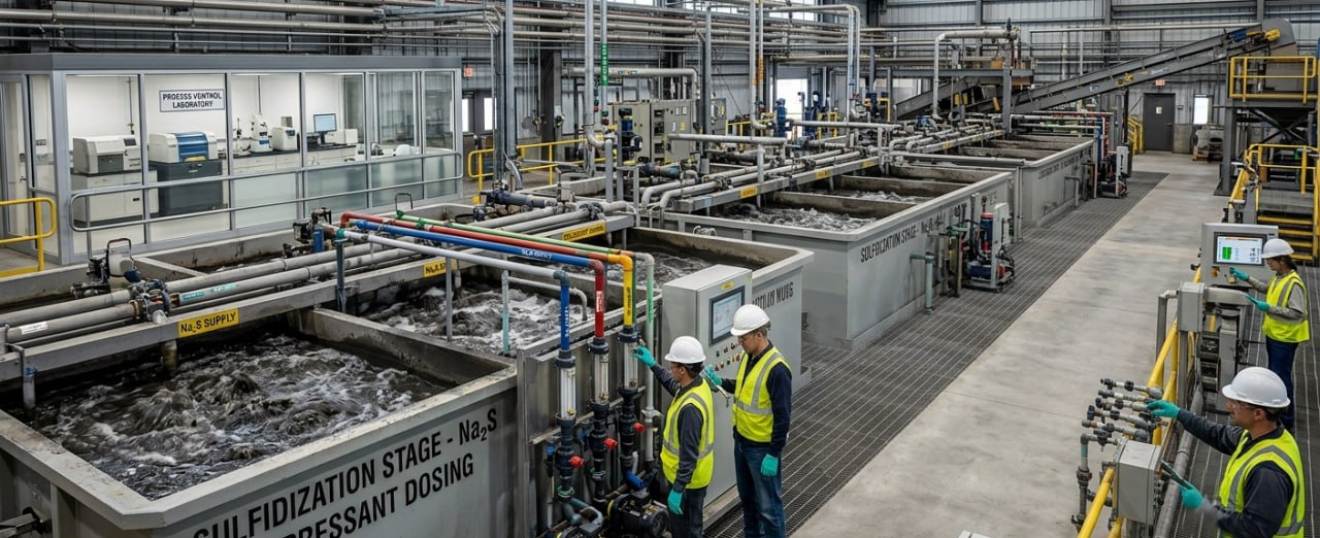
In industrial water treatment whether for textile processing, mining, or chemical manufacturing pH is the most critical operational parameter. An incorrect pH level doesn’t just affect the quality of the final product; it can corrode infrastructure, deactivate treatment chemicals, and lead to non-compliance with environmental regulations.
Selecting the right reagent for pH adjustment is a strategic decision that balances process speed, chemical costs, sludge production, and system safety. This guide compares the industry’s primary reagents to help you make an informed procurement decision.
Why pH Precision Matters
Before selecting a reagent, recognize that the ideal pH varies by process:
Flocculation: Effective coagulation requires a specific pH range to destabilize colloids.
Corrosion Control: Keeping pH slightly alkaline prevents the leaching of metals from piping systems.
Regulatory Compliance: Wastewater must be neutralized to 6.5-8.5 before discharge.
The Golden Rule: The reagent you choose is only as effective as its consistency. Fluctuations in chemical concentration from your supplier are the most common cause of dosing system failure.
Comparing Common pH Reagents
A. Caustic Soda (Sodium Hydroxide - NaOH)
Caustic soda is the industry standard for precise, automated pH control.
· Pros: Highly soluble in water (no mixing tanks needed), fast reaction rate, and leaves no residual sludge. It is ideal for sophisticated, sensor-driven dosing pumps.
· Cons: Higher unit cost, hazardous to handle (requires PPE), and requires careful storage to prevent freezing or crystallization in cold climates.
· Best For: Automated systems, high-precision applications, and industries where sludge volume must be minimized.
B. Lime (Calcium Hydroxide)
Lime is often the preferred choice for bulk neutralization and large-scale industrial effluent treatment.
· Pros: Significantly lower cost than caustic soda. It acts as a buffer, preventing sudden pH spikes, and can help in the precipitation of heavy metals and phosphates.
· Cons: Poor solubility. It is typically prepared as a milk of lime slurry, which requires constant agitation to prevent settling. It also produces a significant volume of sludge, which increases waste disposal costs.
· Best For: Bulk neutralization, high-volume wastewater plants, and processes where sludge handling infrastructure is already in place.
C. Acidic Reagents (Sulfuric Acid & Hydrochloric Acid)
When influent water is too alkaline (e.g., after dye baths or mineral washing), acid is required.
· Sulfuric Acid: The standard for most industrial applications. It is cost-effective and strong.
· Hydrochloric Acid: Used when sulfate buildup is a concern or when higher precision is needed in specific mineral processing applications.
· Best For: Neutralizing alkaline wastewater and pretreatment before membrane filtration or reverse osmosis.
The PKS Chemicals Advantage: Consistent Quality for Critical Systems
At PKS Chemicals, we understand that in industrial pH control, chemical purity is not a luxury it is a process requirement.
An inconsistency of even 2-3% in your caustic soda or acid concentration can throw your entire ETP (Effluent Treatment Plant) out of balance, leading to overdosing, waste, and regulatory fines. We provide:
Verified Purity: Every batch of our industrial reagents is accompanied by a detailed Certificate of Analysis (COA), ensuring you get the exact concentration specified for your dosing pumps.
Stable Supply Chains: We ensure consistent availability for manufacturers across Turkey, Pakistan, Iraq, and the CIS region. Our logistics minimize the lead time between ordering and arrival.
Technical Support: Our team provides guidance on selecting the right reagent grade for your specific plant architecture and environmental goals.
Whether you require the precision of Caustic Soda or the cost-efficiency of Lime, the foundation of a reliable water system is the quality of the chemical reagents. Stop letting supply variability compromise your process efficiency.
Ready to optimize your pH control strategy?
Contact PKS Chemicals today to discuss your chemical requirements and receive a quote tailored to your plant’s scale and operational needs.