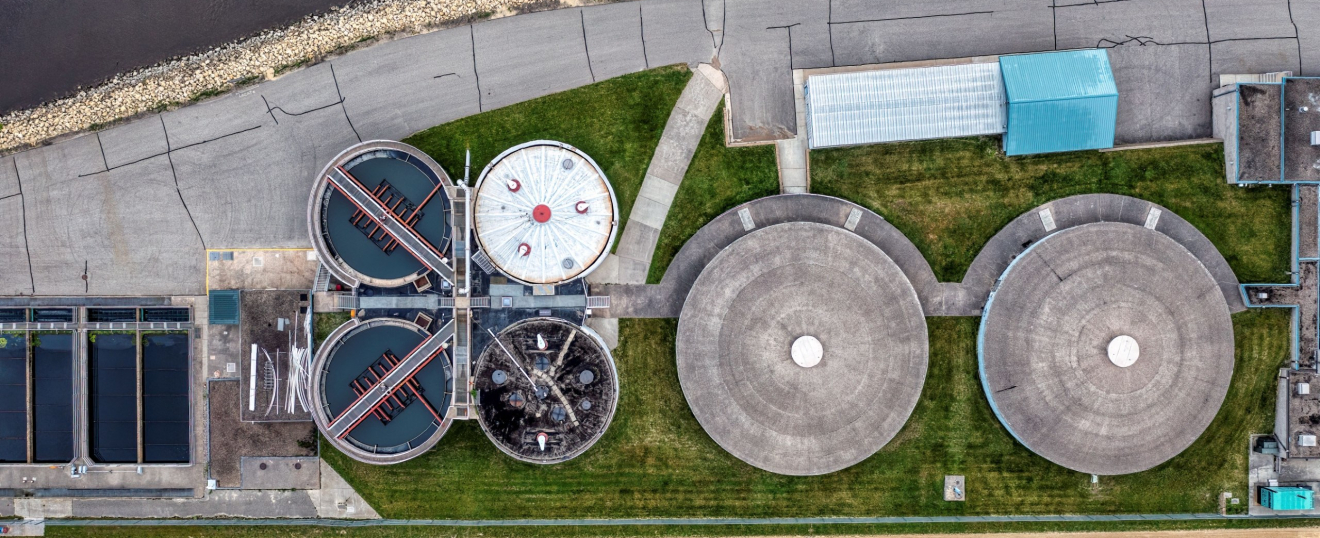
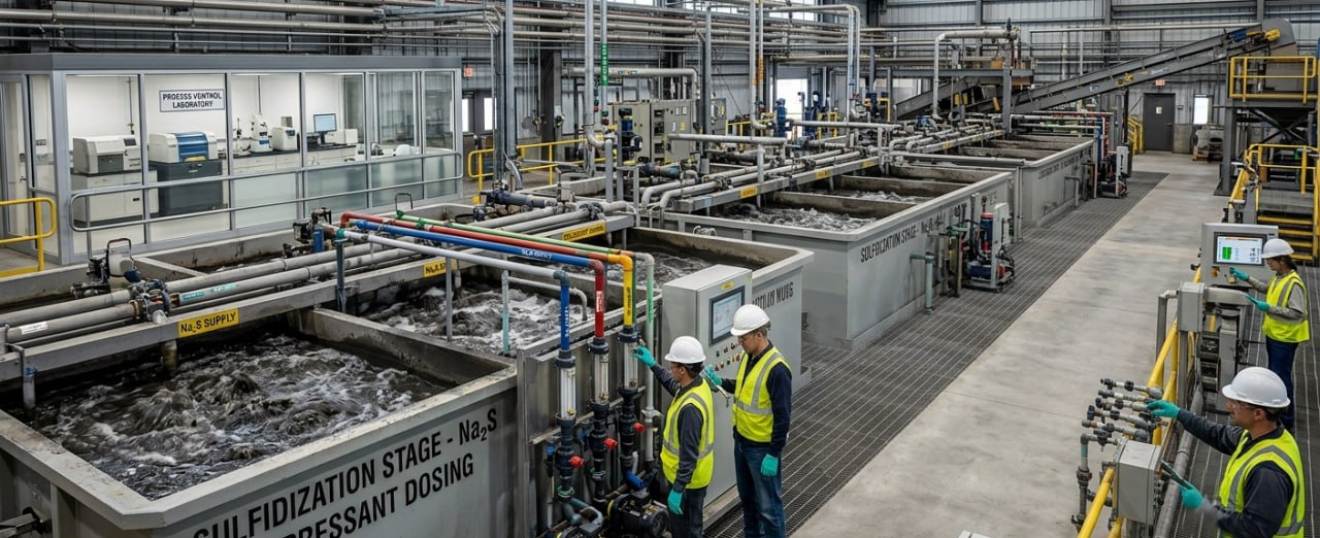
In today’s industrial landscape, wastewater discharge isn’t just a logistical step, it is a critical regulatory hurdle. From textile dye houses to mineral processing plants, failure to meet local and international environmental standards can result in hefty fines, operational shutdowns, and severe reputational damage.
Effective effluent treatment relies on a sophisticated chemical toolkit. However, choosing the wrong reagents or utilizing inconsistent chemical grades often leads to process instability and compliance failures. This guide provides a strategic framework for selecting the right chemicals to achieve consistent, regulatory-compliant effluent discharge.
Characterization: The Foundation of Compliance
Before selecting chemicals, the effluent profile must be accurately mapped. You cannot treat what you do not understand. Key parameters include:
· Chemical-Biological Oxygen Demand: Indicators of organic load.
· Total Suspended Solids: Physical particulate load.
· pH & Conductivity: Indicators of chemical imbalance.
· Heavy Metals: Highly regulated toxins requiring specific precipitation chemistries.
· Compliance Tip: A one-size-fits-all chemical approach is the primary cause of effluent failure. Tailor your chemical dosing to the specific variability of your plant’s influent.
The Chemical Hierarchy for Treatment
Most industrial effluent treatment plants (ETP) follow a tiered chemical approach. Optimizing each stage is essential for reducing final discharge costs.
A. pH Adjustment (The Critical Foundation)
Effective coagulation and flocculation are highly pH-dependent. If the pH is outside the sweet spot (typically 6.5–8.5 depending on the chemistry), chemicals will fail to perform.
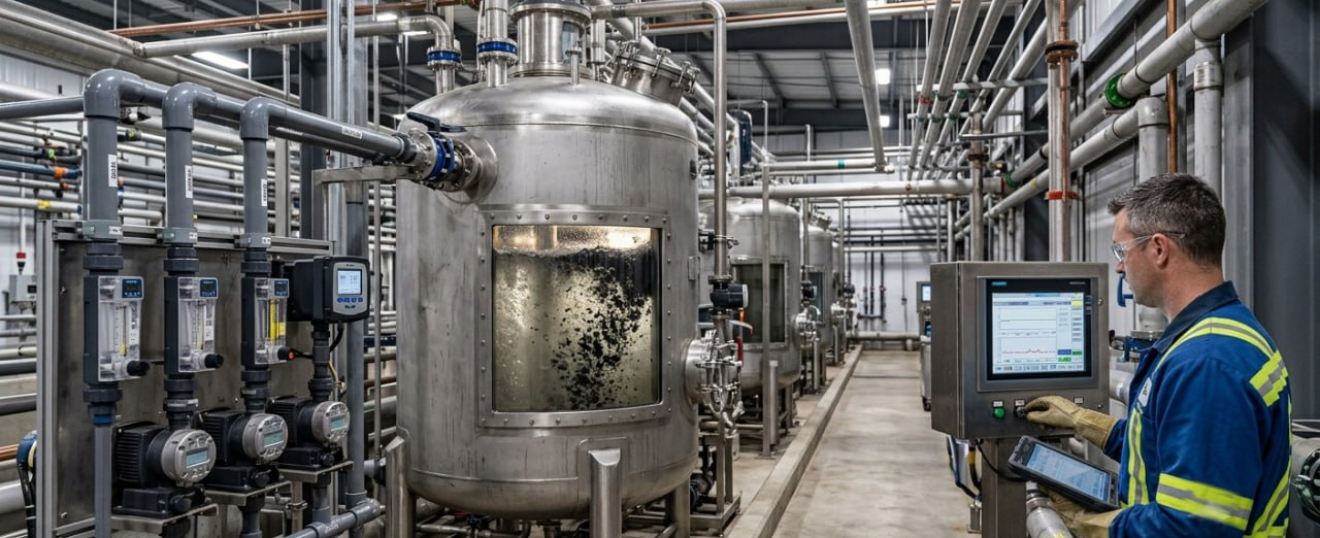
Acid/Base Reagents: Use high-purity Sulfuric Acid or Caustic Soda (Sodium Hydroxide) to stabilize the influent. Consistent assay percentages in these reagents are vital; fluctuations can cause downstream dosing pumps to fail.
B. Coagulation & Flocculation (Solids Separation)
This is where 80% of TSS and significant COD are removed.
· Coagulants: Inorganic salts such as Polyaluminum Chloride (PAC) and Ferric Chloride destabilize colloidal charges.
· Flocculants: High-molecular-weight polymers (Polyacrylamides) bridge the micro-flocs into large, settleable masses.
· Optimization: Using technical-grade coagulants with high active ingredient content reduces sludge volume, directly lowering your landfill/disposal costs.
C. Advanced Oxidation & Color Removal
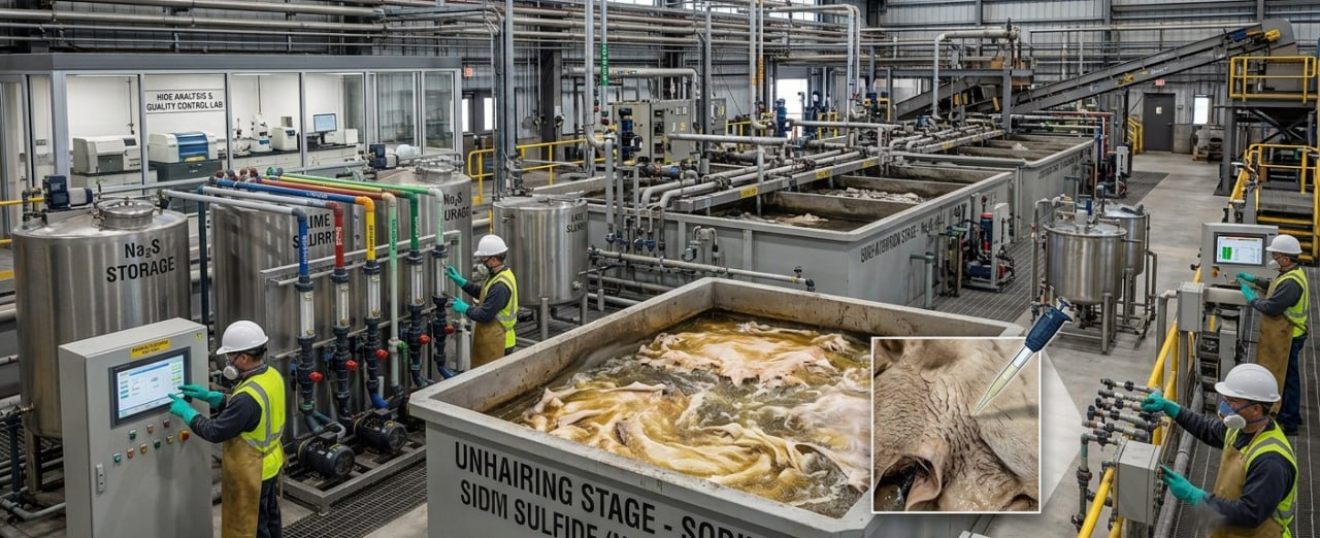
For industries like textiles, tanning, and pulp/paper, standard filtration is insufficient.
Oxidants: Hydrogen Peroxide or Chlorine Dioxide are used to break down complex molecular dye structures or non-biodegradable organic compounds, ensuring clear, color-free discharge that passes visual and chemical inspections.
Strategies for Sustaining Compliance
Achieving compliance once is easy; maintaining it daily is the challenge.
· Chemical Consistency: The most common cause of non-compliance is batch-to-batch variability in chemical supplies. If your coagulant concentration changes by 5%, your entire settling tank performance will degrade. Always source from suppliers who provide consistent Certificates of Analysis (COA).
· Jar Testing: Regularly perform bench-scale jar tests. Influent compositions change due to seasonal shifts or production changes; your dosing formulas must evolve with them.
· Documentation: Keep rigorous logs of chemical lot numbers, dosage rates, and final effluent test results. These records are your primary defense during regulatory audits.
Why Industrial Buyers Trust PKS Chemicals
At PKS Chemicals, we understand that effluent treatment isn’t just about the chemicals it’s about the results that keep your operations running. We supply the high-purity inorganic salts, adjusters, and treatment reagents required by modern ETPs across the region.
Verified Purity: Our technical-grade chemicals undergo strict laboratory testing to ensure every batch performs exactly as specified, preventing dosing upsets.
Export-Ready Packaging: Our moisture-proof, heavy-duty packaging ensures that your chemicals arrive in perfect, free-flowing condition, ready for immediate use in your automated dosing systems.
Supply Reliability: We maintain consistent stock levels and streamlined logistics for major industrial hubs in Pakistan, Turkey, Iraq, and the CIS region, ensuring you never face downtime due to chemical shortages.
Regulatory compliance is non-negotiable. By integrating rigorous effluent analysis with high-purity, consistent chemical reagents, industrial facilities can transform wastewater management from a liability into a streamlined, cost-effective process.
Is your current chemical supply chain undermining your compliance efforts?
Contact the PKS Chemicals technical team today. We provide the chemical expertise and reliable supply chains necessary to optimize your wastewater treatment efficiency.