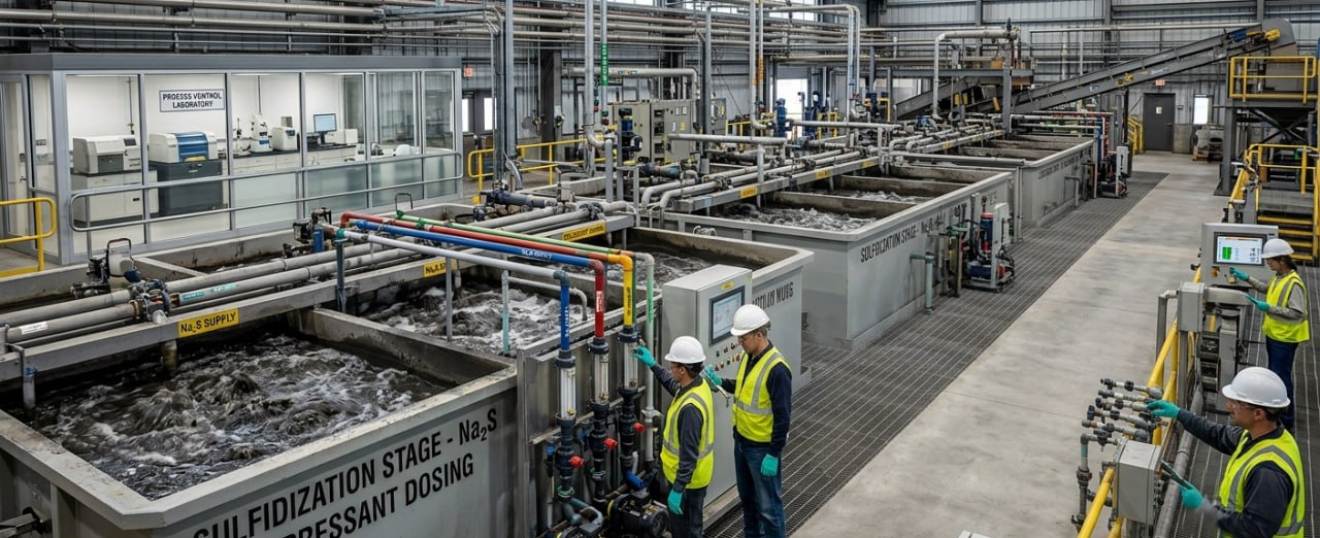
In the intricate world of industrial water treatment, achieving crystal-clear water is paramount. Beyond aesthetics, it signifies the effective removal of suspended solids, colloids, organic matter, and even heavy metals. At the heart of this purification lies a two-step chemical dance: coagulation and flocculation.
These processes are not merely about adding chemicals; they are about deploying specific chemistries strategically to destabilize and aggregate microscopic impurities, making them large enough to be easily removed. This guide delves into effective strategies for optimizing coagulation and flocculation, crucial for efficient industrial water treatment.
The Science behind Clarification: Coagulation vs. Flocculation
A. Coagulation: Destabilizing the Charge
Most impurities in raw water, such as fine silt, clay particles, and dissolved organic matter, carry a negative electrical charge. This charge causes them to repel each other, remaining dispersed and invisible.
Coagulation is the process of adding chemicals called coagulants to neutralize these negative charges. Common inorganic coagulants include:
· Polyaluminum Chloride (PAC): Highly effective across a wide pH range, produces less sludge than traditional metal salts, and is efficient in cold water.
· Ferric Chloride (FeCl₃): A powerful coagulant, particularly effective for removing color and certain heavy metals. It is generally more cost-effective than PAC but is sensitive to pH and temperature.
· Aluminum Sulfate (Alum): A traditional and widely used coagulant, though often less efficient than PAC or Ferric Chloride.
These coagulants work by introducing positively charged ions that attach to the suspended particles, reducing their surface charge. This neutralization allows the particles to overcome their natural repulsion.
B. Flocculation: Building the Bridges
Once particles are destabilized (coagulated), they begin to gently collide and clump together. Flocculation is the process that enhances this aggregation into larger, visible masses called flocs.
This is achieved by adding flocculants (also known as polymers). These are long-chain molecules that act like bridges, physically linking the destabilized micro-flocs together.
· Cationic Polymers: Positively charged polymers used when the destabilized particles still carry a residual negative charge.
· Anionic Polymers: Negatively charged polymers used when particles have been neutralized or carry a positive charge.
· Non-ionic Polymers: Used less frequently, typically in specialized applications.
The gentle mixing during flocculation (much slower than coagulation mixing) ensures these flocs grow large enough to settle out effectively by gravity or be captured by filtration.
Strategic Implementation for Optimal Results
A. The Critical Role of pH
Both coagulation and flocculation are highly pH-dependent. The optimal pH range for each coagulant is critical:
· PAC: Often most effective between pH 5.5 and 7.5.
· Ferric Chloride: Works best in acidic conditions, typically pH 3.5 to 6.0.
· Aluminum Sulfate: Optimal at pH 5.5 to 7.0.
· Strategy: Implement precise pH control using reagents like Caustic Soda or Lime before adding coagulants. Ensure your pH adjustment system is robust and consistently dosed.
B. Dosage Optimization: The Jar Test
The perfect chemical dose is not static. It depends on the raw water quality, which can fluctuate daily.
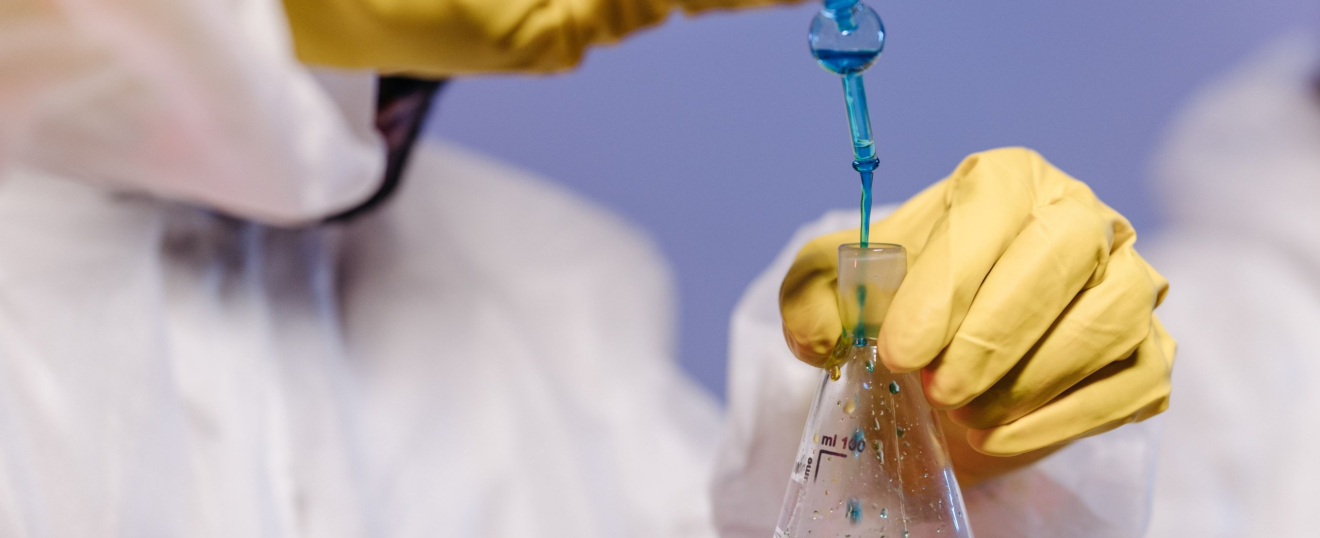
Strategy: Conduct regular jar tests. This laboratory procedure involves testing various doses of coagulants and flocculants on small water samples to determine the most effective and economical dose for current conditions. It helps optimize chemical consumption and minimize sludge production.
C. Mixing Intensity and Duration
The type of mixing is as important as the chemicals used.
· Coagulation: Requires rapid, intense mixing to ensure the coagulant disperses quickly and neutralizes charges effectively throughout the water.
· Flocculation: Requires slow, gentle mixing to promote floc growth without breaking them apart.
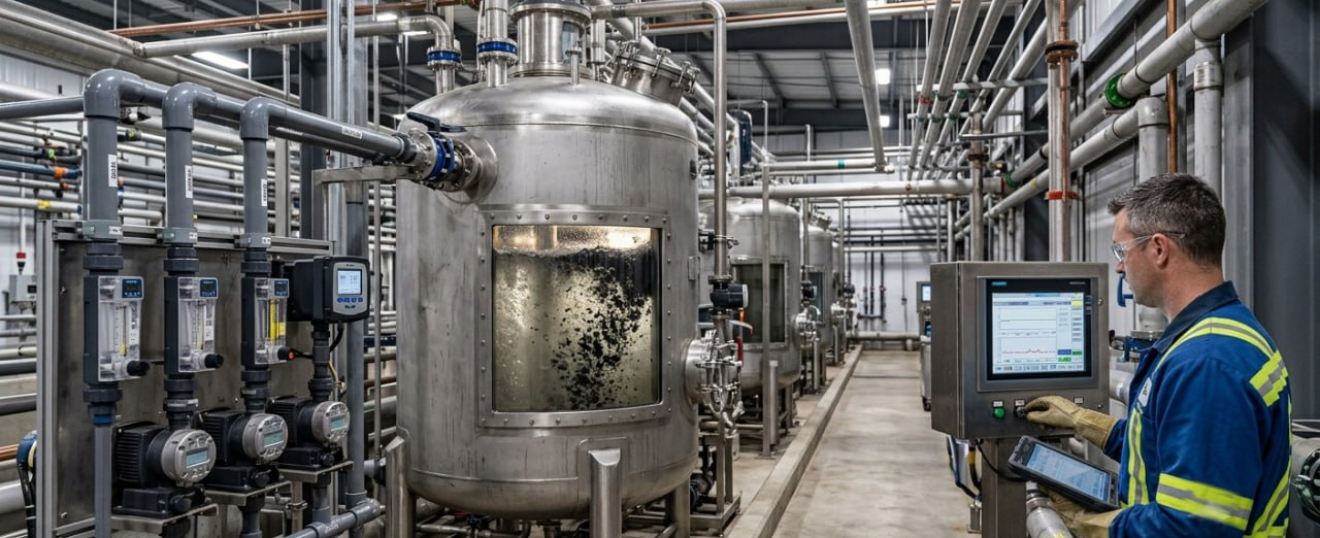
· Strategy: Design your mixing tanks and impellers appropriately for each stage. Avoid over-mixing or under-mixing, as both can severely impair floc formation and settling.
D. Sludge Management
Coagulation and flocculation generate sludge the aggregated impurities. Reducing the volume of this sludge is key to lowering operational costs (disposal fees).
· Strategy: Using more efficient coagulants like PAC and optimizing chemical doses through jar tests can significantly reduce sludge volume compared to traditional methods.
Partnering for Purity: PKS Chemicals
Effective water clarification relies on dependable, high-quality chemical inputs. At PKS Chemicals, we supply the precise reagents that drive your water treatment success:
· High-Purity Coagulants: Our PAC and Ferric Chloride offer consistent assay percentages, ensuring reliable charge neutralization and predictable performance across batches.
· Performance Flocculants: We provide a range of polymer flocculants designed to build robust flocs, enhancing settling rates and water clarity.
· Reliable Supply: We understand the critical nature of continuous water treatment. Our robust logistics ensure timely delivery to industrial sites in Pakistan, Iraq, Turkey, and the CIS region, preventing operational disruptions.
Mastering coagulation and flocculation is fundamental to achieving optimal water clarification and meeting stringent contaminant removal standards. By strategically selecting your chemicals, optimizing dosing through jar tests, and controlling mixing parameters, you can enhance the efficiency of your water treatment systems.
Is your water treatment yielding the clarity and compliance you need?
Contact PKS Chemicals today. Our experts can help you select the most effective coagulants and flocculants for your specific industrial application and ensure a consistent, high-quality supply chain.