In international bulk chemical procurement, quoted product price per metric ton is only the starting point. The final determinant of your operational profitability is your True Landed Cost the total capital required to bring raw materials from the manufacturing plant directly into your factory floor.
The single most influential factor governing your landed cost, risk exposure, and transit speed is your chosen Incoterm (International Commercial Term).
Choosing the wrong trade term can leave your business vulnerable to uncontrollable shipping surcharges, marine demurrage penalties, and complex customs disputes. This guide breaks down the core Incoterms used in industrial chemical imports and evaluates why modern industrial buyers are moving toward direct overland border terms.
Incoterms Breakdown for Chemical Procurement
The International Chamber of Commerce (ICC) defines 11 Incoterms. In the industrial and basic chemical sector (Caustic Soda, Sodium Sulfide, Copper Sulfate, Solvents), four terms dominate global trade:
RISK & RESPONSIBILITY MATRIX (INCOTERMS)
Term | Loading | Main Carriage Freight | Marine Insurance | Customs (Export) | Customs (Import) |
FOB | Supplier | Buyer | Buyer | Supplier | Buyer |
CFR | Supplier | Supplier | Buyer | Supplier | Buyer |
CIF | Supplier | Supplier | Supplier | Supplier | Buyer |
DAP | Supplier | Supplier | Supplier | Supplier | Buyer |
FOB (Free On Board)
Buyer Responsibilities: You nominate the vessel/transporter, pay all ocean or overland freight charges, and handle transit insurance.
The Reality: While FOB offers paper control over freight contracts, it forces chemical buyers to manage hazardous material (DG) shipping regulations, local port storage fees, and container booking delays at foreign origins.
CFR (Cost and Freight)
Mechanics: The supplier pays to transport the cargo to your named discharge port (e.g., Karachi Port). Risk transfers to the buyer the moment goods cross the vessel’s rail at origin.
Risk Note: The buyer must arrange separate maritime transit insurance for accidental contamination, wetting, or cargo loss during the voyage.
CIF (Cost, Insurance, and Freight)
Standard Maritime Term: The seller covers cost, transit freight, and basic cargo insurance up to the arrival seaport (e.g., CIF Karachi Port).
Application: Ideal for high-tonnage overseas shipments (200+ MT). However, maritime CIF still subjects buyers to terminal handling charges (THC), container detention fees, and long maritime transit windows (25–45 days).
DAP (Delivered at Place)
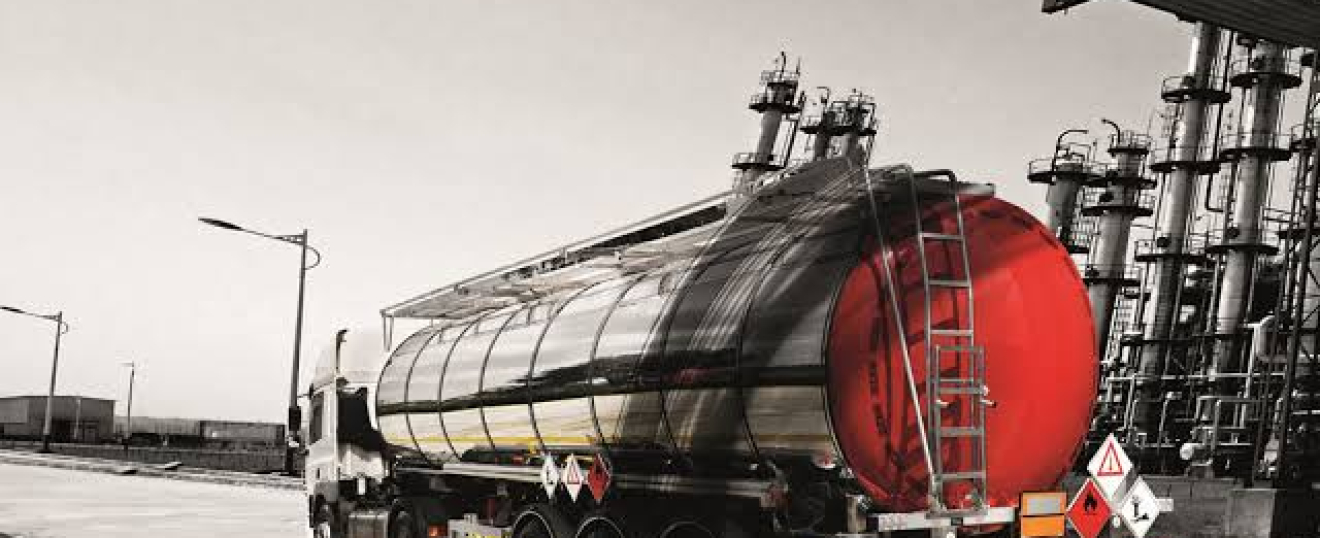
Modern Overland Term: The seller assumes all logistical risks and transport expenses up to an agreed inland terminal or dry port (e.g., DAP Taftan Border, DAP Rimdan Border, or DAP Factory Gate).
Buyer Responsibilities: Import customs clearance, payment of local duties/taxes, and unloading at destination.
Risk Allocation, Insurance, and Port Hidden Costs
When importing raw chemicals by sea under FOB or CFR, buyers frequently encounter hidden balance-sheet drains:
· Port Demurrage & Detention Penalties: If customs clearance at maritime hubs takes longer than the carrier’s free period (often 7–14 days), shipping lines charge steep daily detention fees ($80–$150/day per container). For hazardous cargo, terminal hazard surcharges compound these figures.
· Quality & Packaging Degradation: Long sea voyages and humid marine environments increase caking risks for hydroscopic chemicals like Caustic Soda Flakes and oxidation risks for Sodium Sulfide.
· Insurance Gaps: Standard CIF covers only Institute Cargo Clauses © minimal coverage. High-grade chemical consignments require Clauses (A) all-risks insurance to guard against moisture ingress and container contamination.
Why DAP Border Delivery Reduces Risk and Working Capital
For industrial manufacturers across Pakistan, South Asia, and regional markets, shifting from maritime CIF (Karachi) to DAP Overland Border Delivery (Taftan / Rimdan) creates immediate strategic advantages.
1. Slashing Inventory Lead Times (3–7 Days vs. 30+ Days)
Overland transit from regional manufacturing plants through the Mirjaveh/Taftan or Rimdan/Gwadar border corridors reaches northern textile clusters (Faisalabad, Lahore) and southern tanning centers (Karachi, Sialkot) in a fraction of the time required by maritime feeder vessels.
2. Protecting Working Capital & Cash Flow
Under long maritime lead times, a textile or tanning operation must tie up credit lines for 45 to 60 days of rolling safety stock. With 3–7 day DAP border delivery, plants can implement Just-in-Time (JIT) inventory schedules, replenishing stocks weekly and cutting financing costs.
3. Total Elimination of Demurrage and Seaport Congestion
Because overland consignments clear at border customs dry ports directly on trucks or cross-stuffed into regional trailers, marine container return deadlines and port demurrage charges disappear completely.
Strategic Comparison: Which Incoterm Fits Your Sourcing Model?
Your Operational Scenario | Recommended Incoterm | Strategic Delivery Point |
Large manufacturing plants with existing Karachi port clearance desks | CIF | CIF Karachi Seaport |
Textile & leather processors seeking reduced lead time and lower inventory overhead | DAP | DAP Taftan / Rimdan Border |
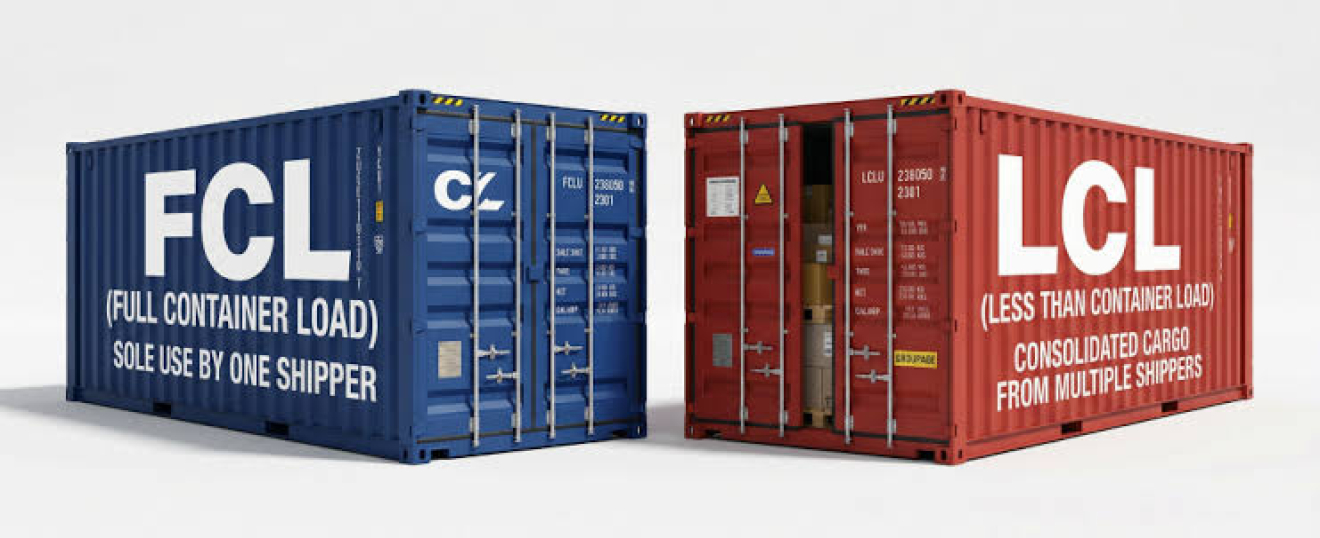
Flexible SME operations purchasing consolidated partial loads (LCL) | DAP | DAP Regional Inland Dry Port |
Optimize Your Chemical Procurement with PKS Chemical
Whether your infrastructure requires full container loads under CIF Karachi or high-speed overland supply under DAP Taftan / Rimdan, PKS Chemical manages the entire logistics architecture:
· Factory-direct supply for basic & specialty inorganic chemicals
· Direct overland fleet coordination bypassing congested maritime lanes
· Transparent landed cost quotations with no hidden port surcharges
Calculate Your True Landed Cost
Compare your current sea freight costs with our rapid overland DAP rates.
Request an Instant CIF / DAP Rate Comparison | Discuss Logistics on WhatsApp