In industrial chemical procurement, working capital is the lifeblood of manufacturing operations. Procurement managers constantly face a delicate balancing act: purchasing in massive bulk quantities to secure lower unit prices versus tying up critical capital in excess inventory that sits idle in warehouses.
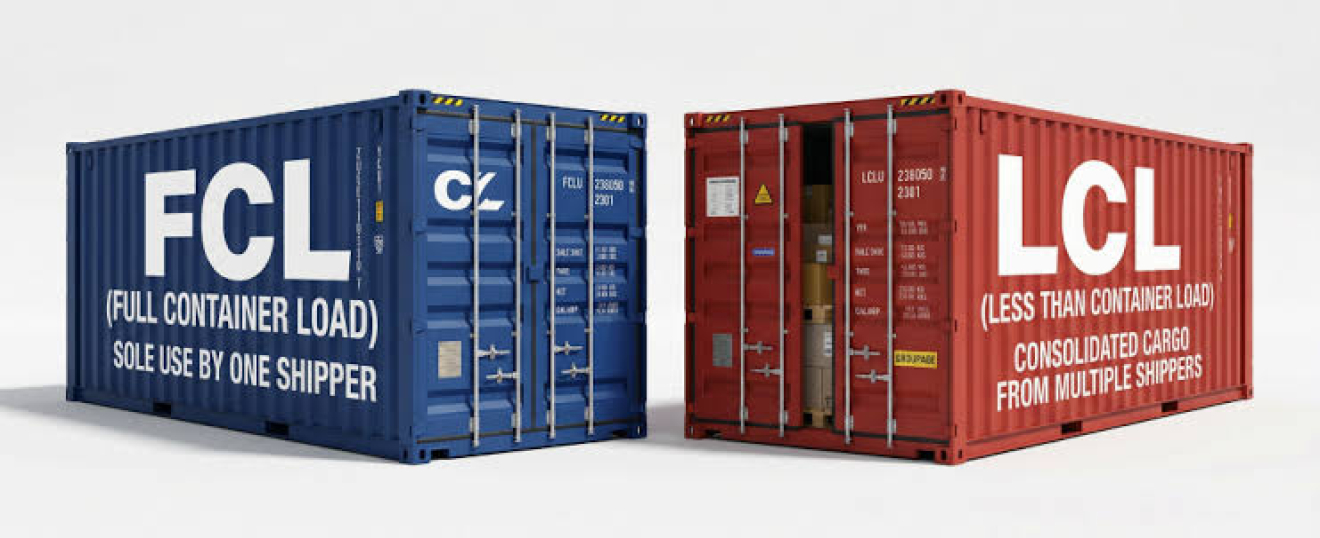
For decades, the traditional binary choice of FCL (Full Container Load) or LCL (Less than Container Load) forced chemical buyers into rigid compromises. Understanding how these shipping modes impact your working capital and how modern multi-buyer single-product consolidation bridges the gap is essential for optimizing supply chain efficiency.
The FCL Dilemma: Maximum Discount, Maximum Capital Lockup
Full Container Load (FCL) shipping has long been considered the default standard for chemical procurement.
· The Mechanism: A single buyer contracts an entire 20-foot or 40-foot ISO container or dry van for their exclusive use.
· The Advantages: Lowest ocean freight rate per metric ton; direct point-to-point routing with minimal intermediate handling; reduced risk of cargo cross-contamination when shipping single materials.
· The Working Capital Toll:
o High Upfront Commitment: Buyers must finance massive volume thresholds, often exceeding immediate quarterly production demands.
o Warehouse Congestion and Carrying Costs: Excess stock incurs storage fees, insurance costs, and ties up cash flow that could otherwise be allocated to plant modernization, R&D, or operational expansion.
o Market Vulnerability: Holding months of inventory exposes businesses to sudden shifts in raw material market prices and demand contractions.
The Traditional LCL Problem: Flexibility at the Cost of Chemical Safety
When small-to-medium-sized manufacturers or regional traders cannot justify an FCL order, they traditionally turn to standard Less than Container Load (LCL) shipping.
· The Mechanism: Freight forwarders consolidate small shipments from multiple unrelated shippers into a single container.
· The Advantages: Lower volume minimums; allows buyers to purchase exact required quantities without full-container commitments.
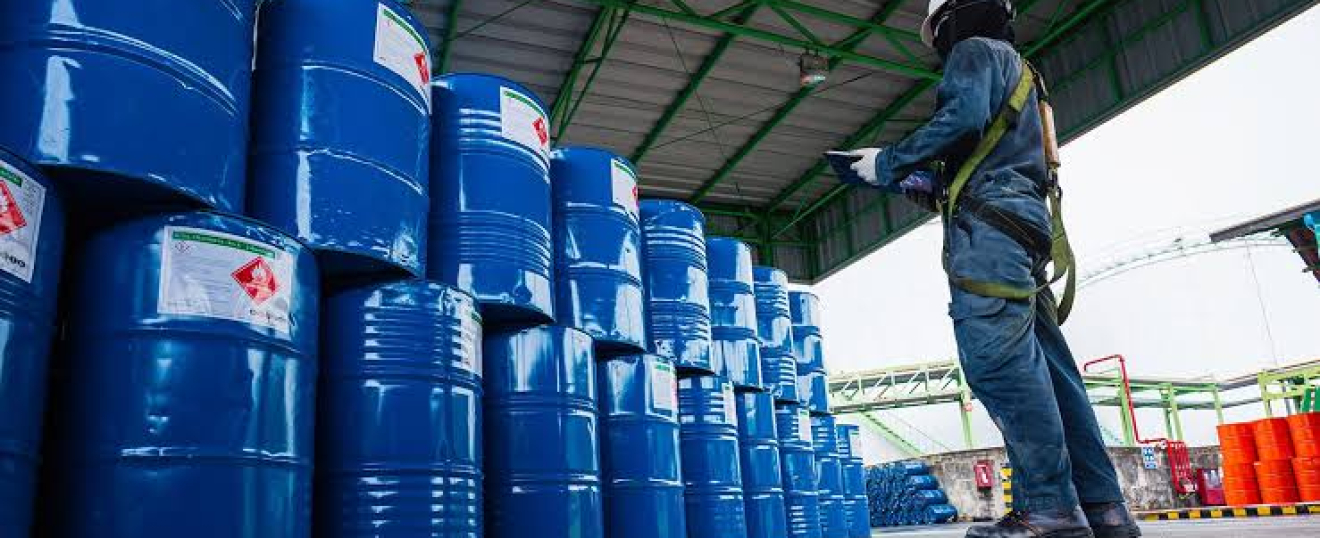
· The Severe Risks in Chemicals:
o Hazardous Cargo Incompatibility: Standard LCL freight forwarders frequently mix disparate commercial goods or chemically reactive substances within the same container. Combining incompatible classes (e.g., mixing corrosive Class 8 substances with organic peroxides or flammable liquids) creates catastrophic safety and regulatory compliance hazards under IMDG and ADR codes.
o Documentation and Custom Clearance Bottlenecks: Multiple consignees, complex bill of lading splits, and conflicting certificates of analysis (COA) often lead to severe port delays and demurrage charges.
The Modern Solution: Multi-Buyer Single-Product Consolidation
To overcome the pitfalls of both traditional FCL and hazardous LCL, advanced chemical supply models such as PKS Chemical’s Shared Container Shipping redefine how regional markets are supplied.
Instead of mixing random, chemically reactive products in a single box, this model coordinates multi-buyer consolidation for dedicated single-product shipments.
How It Works:
1. Multiple verified industrial buyers specify their exact required tonnages for a specific chemical grade (e.g., Caustic Soda or Sodium Sulfide).
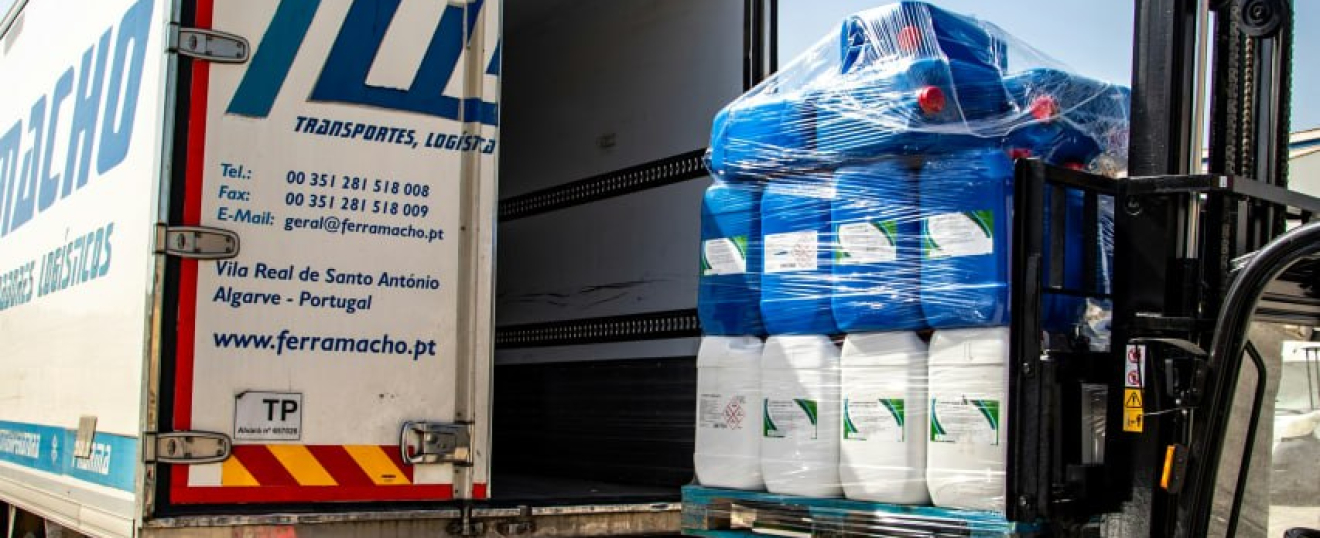
2. PKS evaluates compatible orders and consolidates them into a single, fully optimized container load dedicated exclusively to that material.
3. The shipment moves under strict UN-certified packaging standards and unified dangerous goods (DG) compliance protocols.
Working Capital Optimization: FCL vs. Traditional LCL vs. Shared Consolidation
Evaluation Metric | Full Container Load (FCL) | Traditional LCL | PKS Shared Consolidation |
Capital Lockup | High (Full container minimum) | Low | Optimized (Exact required tonnage) |
Inventory Turnover | Slow (Months of surplus stock) | Fast | Balanced (Aligned with actual demand) |
Chemical Safety Risk | Low (Single buyer / single product) | High (Mixed incompatible cargoes) | Zero Cross-Contamination (Single-product purity) |
Regulatory Compliance | Straightforward | Complex / High risk of rejection | Strictly Aligned (IMDG/ADR & Batch COA) |
Smarter Sourcing for Growing Businesses
Optimizing your working capital in chemical procurement does not mean compromising on safety, compliance, or purity. By moving away from rigid full-container requirements and dangerous mixed-cargo LCL options, industrial buyers can leverage shared single-product consolidation to align purchasing directly with real market demand.
Whether you are a manufacturer, importer, or regional distributor, tailoring your import volumes protects your cash flow and ensures agile responsiveness in volatile markets.
Ready to optimize your chemical procurement plan for Pakistan? Contact the PKS Chemical team to discuss your exact tonnage requirements.