ISLAMABAD – Pakistan’s outbound merchandise shipments risk a marked downturn heading into the second quarter of FY27 unless immediate policy interventions are deployed, warned Khurram Mukhtar, Patron-in-Chief of the Pakistan Textile Exporters Association (PTEA).
Addressing compounding challenges across the manufacturing landscape, Mukhtar emphasized that the country’s premier export engine is confronting operational stress on several fronts simultaneously spanning external demand compression, escalated ocean freight expenses, internal inflation, and financing bottlenecks.
Freight Surges and Demand Compression Squeeze Margins
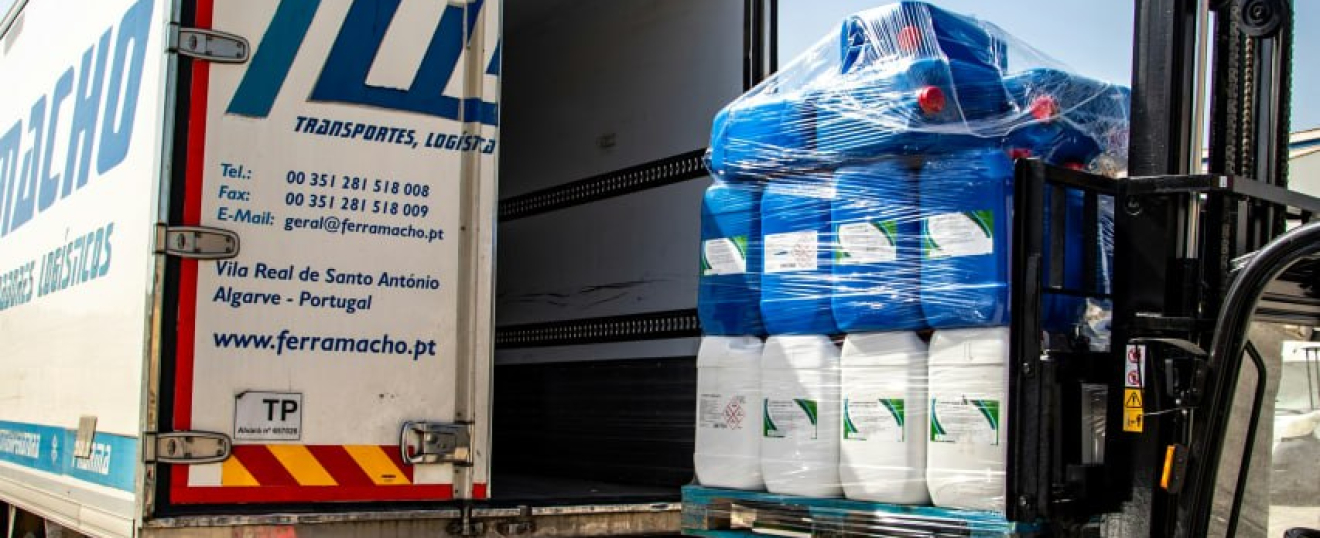
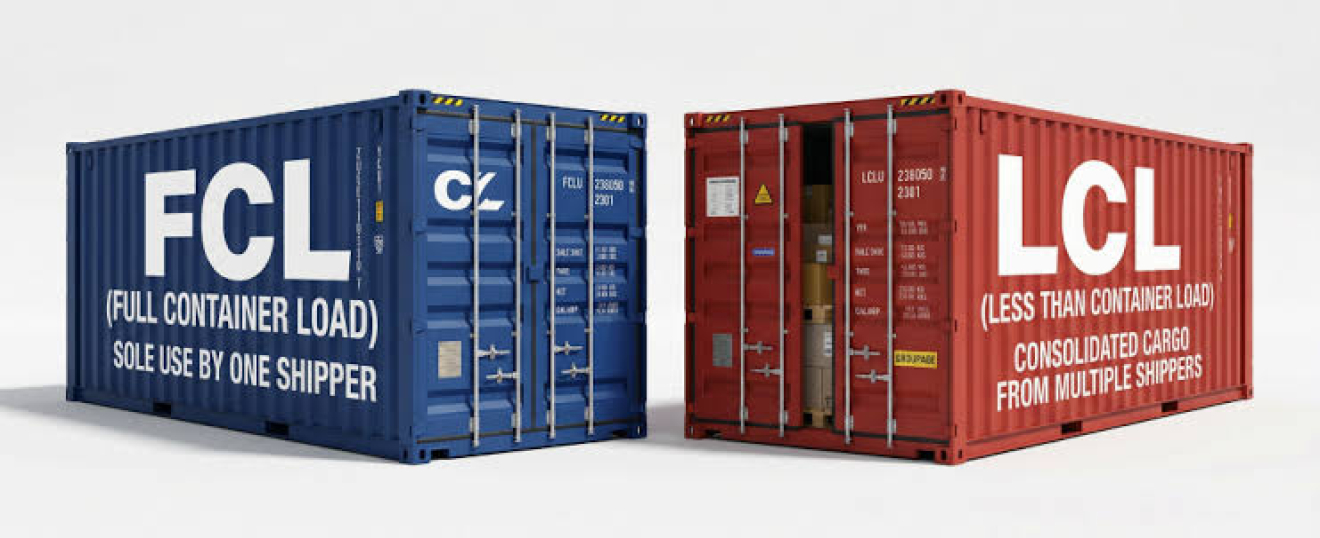
According to the PTEA leadership, elevated inflationary conditions across Western consumer markets have noticeably softened retail demand. Compounding this challenge, maritime freight rates have escalated between 1.5 to 2.5 times over recent baselines, eroding thin operating margins and impairing the global price competitiveness of domestic exporters.
“The scale of volume contraction being observed across export channels is unprecedented,” Mukhtar stated, cautioning that international shelf space and client accounts, once conceded to competing manufacturing hubs, remain exceedingly difficult to recapture.
Because export-oriented units anchor upstream operations, downshifts in shipments reverberate across all processing tiers placing immediate strain on ginning, spinning, weaving, wet processing, and knitwear facilities, particularly as domestic retail off-take remains subdued.
Policy Recommendations: Liquidity Relief and Tariff Corrections
To arrest the decline and protect export volumes, PTEA tabled several urgent interventions for federal economic planners:
· Temporary DLTL Support: Implementation of a targeted Drawback of Local Taxes and Levies (DLTL) facility at 6% to 8% to buffer exporters against prevailing freight and operational spikes.
· Release of Pending Refunds: Expedited clearance of verified tax and duty drawback refunds across multiple heads to ease severe liquidity constraints across the supply chain.
· Energy Tariff Restructuring: Immediate rationalization of industrial energy tariffs by eliminating cross-subsidies that inflate production costs.
Anomalies in the Export Finance Scheme (EFS)
Mukhtar also flagged operational discrepancies surrounding the Export Finance Scheme (EFS). While the FY27 Finance Bill set the benchmark financing rate at 4.5%, commercial banks continue to disburse credit at rates varying between 5.5% and 8.5%.
Furthermore, the association highlighted systemic distortions in credit allocation, noting that substantial disbursements under the facility estimated around Rs200 billion went toward sectors either restricted under scheme guidelines or heavily regulated, such as basic yarn and sugar. In contrast, compliant, high-performing value-added textile manufacturers exceeding State Bank of Pakistan (SBP) performance benchmarks face funding constraints.
Commenting on the increased SME allocation within EFS, Mukhtar cautioned that setting aside Rs300 billion for SMEs would mandate roughly Rs600 billion in incremental export execution a target current capacity may struggle to absorb, echoing last year’s unutilized Rs100 billion SME allocation. He urged authorities to balance disbursements proportionately, ensuring that the top tier of manufacturers, who generate roughly 60% of aggregate export receipts, receive reliable working-capital access.
Proposed Rs140 Billion BMR Modernization Facility
To build long-term export resilience, the PTEA proposed a dedicated Rs140 billion facility structured jointly with the federal government and the SBP for Balancing, Modernization, and Replacement (BMR) across foundational segments:
Ginning: Rs20 billion
Sizing: Rs20 billion
Weaving: Rs50 billion
Processing: Rs50 billion
The capital upgrade initiative aims to assist mid-sized processors in modernizing plant infrastructure, automating lines, enhancing chemical and energy efficiency, and aligning with stricter international sustainability benchmarks.
“Industrial policy has traditionally been reactive; the prevailing environment demands preemptive measures,” Mukhtar stated, urging the Ministry of Commerce, the Ministry of Finance, and the SBP to convene with industry leadership and establish a coordinated 10-year strategic export roadmap.
Copyright Business Recorder, 2026