FAISALABAD – In a significant strategic move designed to align local manufacturing with stringent European Union (EU) environmental compliance standards, Faisalabad has officially launched an initiative to become Pakistan’s first Circular City.
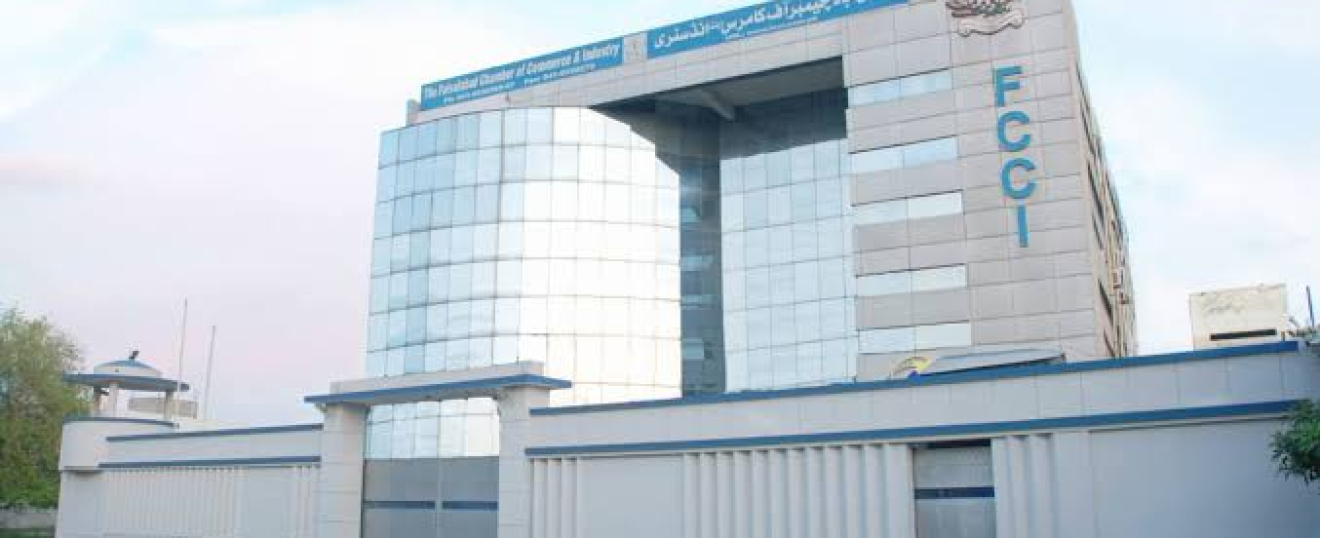
The roadmap for this transformation was highlighted by Faisalabad Chamber of Commerce and Industry (FCCI) President, Arif Ehsan Malik, during a strategy session with the Faisalabad Dyes and Chemicals Merchants Association.
Driving Exports through Compliance
As Pakistan’s primary industrial hub and the central engine of the nation’s textile export sector, Faisalabad is under increasing pressure to adapt to global zero-waste mandates. President Malik emphasized that the transition to a circular economic model is no longer optional; it is a critical requirement for maintaining and expanding access to high-value European markets.
Faisalabad is the backbone of our foreign exchange earnings, Malik stated. By adopting a circular city framework, we are not only addressing urgent environmental challenges but also ensuring that our textile products remain competitive and uninterrupted in EU markets.
Organizing the Supply Chain
The city already hosts over 100 industrial units dedicated to the recycling and reuse of textile waste. However, the FCCI leadership noted that these fragmented efforts need standardization. The current initiative seeks to bring these recycling facilities into formal alignment with international environmental protocols.
This transition is expected to create a ripple effect, fostering new job opportunities and opening doors for vendor industries including chemical suppliers and processing houses to integrate sustainable practices into their workflows.
Collaborative Industry Reform
The meeting also underscored the essential partnership between the FCCI and the Faisalabad Dyes and Chemicals Merchants Association. President Malik praised the association’s historic contribution to the chamber’s leadership and announced the formation of a specialized 10-member standing committee. This group is tasked with identifying practical, data-driven solutions to the operational hurdles currently faced by the chemical and processing sector.
FCCI Senior Vice President Mian Muhammad Saeed echoed these sentiments, inviting members to document sector-specific challenges so that the chamber can advocate for effective, policy-level resolutions.
Source: Industry Report, Business Recorder, 2026
The PKS Perspective: Aligning with Faisalabad’s Vision
The push toward a Circular City model in Faisalabad marks a turning point for the textile and chemical industries. As global buyers shift their preference toward suppliers who demonstrate environmental responsibility, the focus will increasingly fall on the quality and compliance of raw materials.
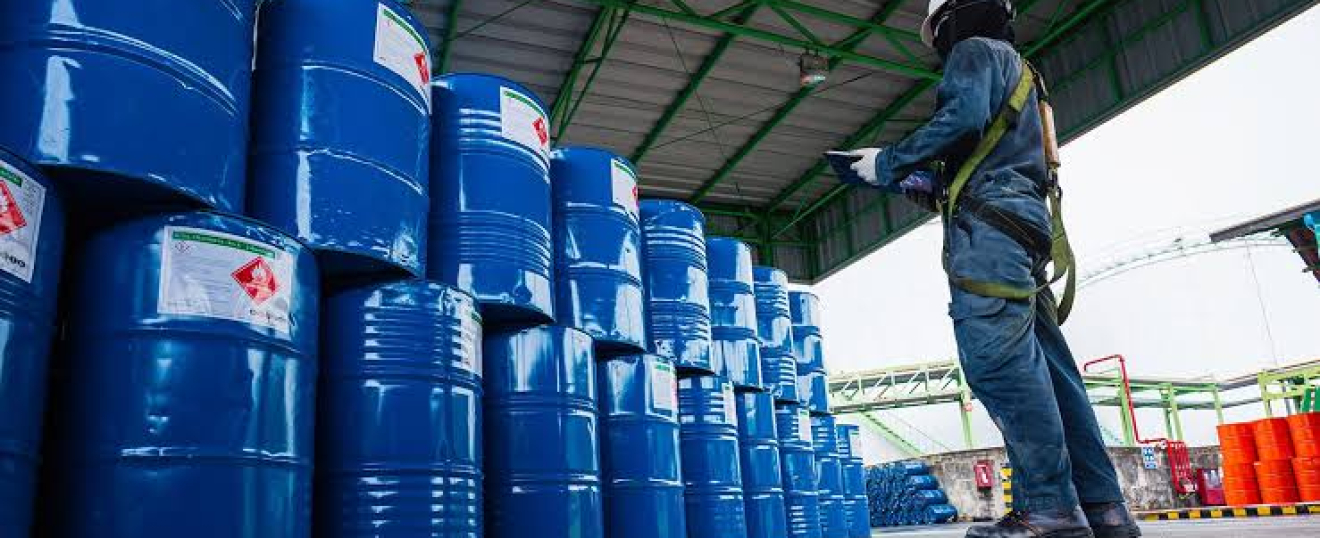
For the chemical and processing sectors, this evolution presents an opportunity to prioritize high-efficiency products that reduce waste at the source. At PKS Chemical, we recognize that the future of the Faisalabad textile industry lies in this synergy of high-volume production and sustainable compliance. By optimizing supply chains and ensuring technical transparency in our chemical inputs, we support the manufacturers who are leading Faisalabad’s transformation into a world-class industrial circular hub.